

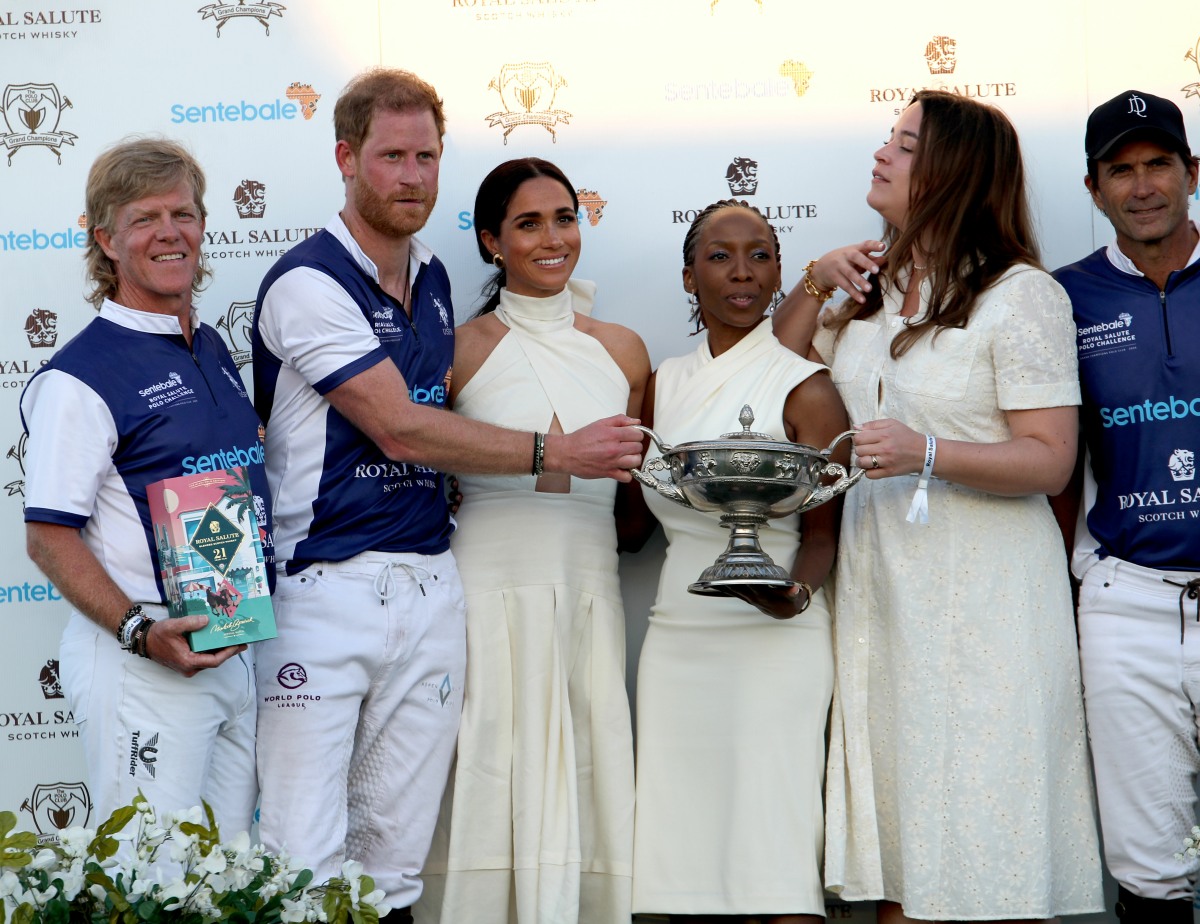
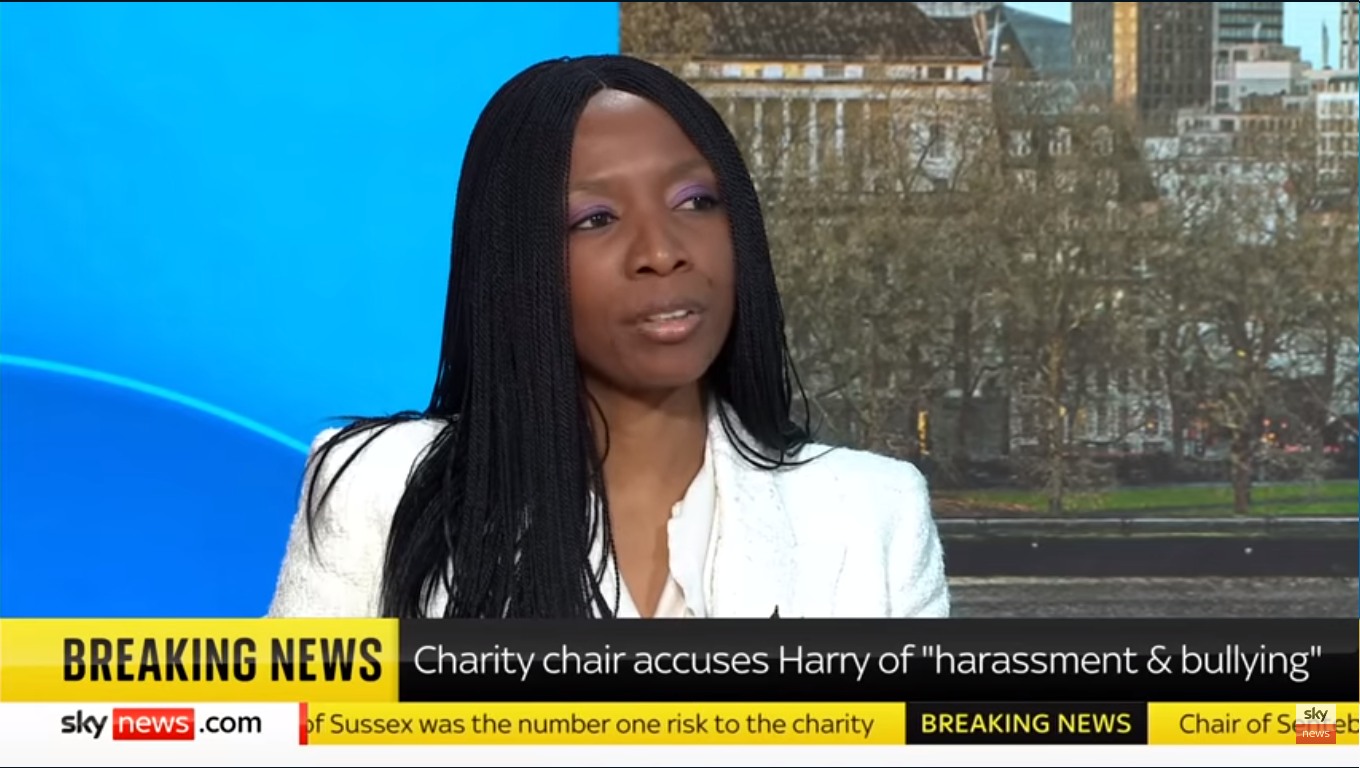
In March, Sentebale sued its co-founder Prince Harry and founding trustee Mark Dyer. The news of the defamation lawsuit came out on Friday, specifically because this is yet another attempt to derail the Sussexes’ Australia visit. The lawsuit is multipurpose though – it’s yet another attempt by nefarious royal/royalist figures to “take down” Harry and the people closest to him. Dyer was and is a father figure to Harry and one of the few people from Harry’s old life who has remained close to him despite enormous public and private pressure to cut ties. I recapped the backstory of Harry, Sophie Chandauka and Sentebale over the weekend – suffice to say, this defamation lawsuit makes zero sense, especially given that Chandauka was the one openly slandering Prince Harry and his wife last year, and Chandauka is almost definitely one of Tom Bower’s sources as well. Well, interestingly enough, the UK’s Charity Commission doesn’t think this lawsuit makes any sense either.
A charity co-founded by Prince Harry to support orphaned children in southern Africa is facing scrutiny from England’s charities watchdog over its decision to sue him for defamation. The Charity Commission said it had been engaging with trustees at Sentebale after being notified of its intention to sue the Duke of Sussex in February. It said it was seeking to understand how the legal action would “further their charity’s purposes”.
…The exact details of the defamation claim have not been made public, but Sentebale said it was seeking the court’s “intervention, protection and restitution” following what it said was a “co-ordinated adverse media campaign” that had caused “operational disruption and reputational harm to the charity, its leadership and its strategic partners”. It claimed Harry and Dyer were the “architects” of the campaign. A spokesperson for the Duke of Sussex and Dyer said they categorically rejected the “offensive and damaging claims” and said it was “extraordinary” that the charity was pursuing “legal action against the very people who built and supported the organisation”.
The decision to sue appears to be a significant escalation, which a leading charity law expert said was likely to attract further regulatory scrutiny. While charities are permitted to bring legal action without formal approval, Charity Commission guidance says it should be a last resort. The regulator says “legal action can present significant risk to a charity’s beneficiaries, assets and reputation”. Trustees must ensure decisions are in “the best interests of the charity”.
Further questions have been raised about how the legal action is being funded. Sentebale said it was not using charitable funds and was instead relying on “external funds”. However, it declined to answer questions from The Times this weekend about who was financing the case; whether they were current or previous donors; whether the funders were linked to Chandauka or other trustees; and whether protections were in place to safeguard the charity if the legal action went wrong.
A source close to the Duke of Sussex said: “Whether they’re using external or internal funds for the case, that money could still be used to support the charity’s work.” A spokesperson for Sentebale said: “This matter is subject to active legal proceedings. It would therefore be inappropriate to comment on any aspect.”
In response to questions this weekend the Charity Commission said it had been informed of Sentebale’s intent to take legal action in February, but it said the charity had not applied for formal regulatory advice before launching the lawsuit.
Under section 110 of the Charities Act, charities can seek official advice or directions before proceeding with a legal case to ensure they are acting in line with their duties. This may be used in cases where there is a risk of reputational damage or potential for other harm, though it is not mandatory. Sentebale said it had acted “in accordance with its legal and regulatory duties, including proper governance and oversight”.
If it is concerned about the impact of legal action or has other governance concerns, the Charity Commission has broad powers which enable it to request details of funding and records of trustees’ decision-making. It can issue formal advice or, in cases of abuse, open a statutory inquiry.
Robert Nieri, a legal director and charity lawyer at Shoosmiths, said the potential impacts of the legal action were significant. He said there was a risk of legal action taking a “lot of time and effort” on the part of the trustees, which could detract from the charity’s main objectives, and added the charity would need to convince the watchdog that there were “no other reasonable options”.
“The charity is really going to have to answer the question: how is that going to be advancing the charity’s objects and purposes?” he said. “It looks high stakes … It seems a sort of matter where there are going to be no winners.”
One, the Charity Commission deserves to eat sh-t because they pulled their punches last year and avoided calling out Chandauka for her bizarre, slanderous and likely criminal behavior. The commission’s indifference to her hostile takeover of Sentebale is what led to this unhinged escalation on behalf of Chandauka’s unnamed “benefactors.” If they had handled this situation appropriately last year, Chandauka and Prince William’s ally Iain Rawlinson wouldn’t be looting Sentebale’s coffers and destroying it from within. Two, it says something about Chandauka’s behavior that even the Charity Commission is now openly discussing the red flags here. As I’ve said, the short-term purpose of this was to derail the Sussexes’ activities in Australia and elsewhere, but in the long-term, I’m really interested in seeing what comes next, because it’s not going to be good news for Chandauka.

Photos and screencaps courtesy of Cover Images and Sky News.













 Bengali (Bangladesh) ·
  English (United States) ·