

Foreheads in drawings act like billboards, flashing mood and attitude quickly today. A taller brow gives faces room for surprise, doubt, and mischief, too. Viewers read that space fast, even when details blur in motion there. Big Forehead Characters often feel expressive before any dialogue lands at all. The look can suggest confidence, awkwardness, or childish wonder in seconds alone. It frames eyes as the real focus, not noses, in close-up shots. Something about it feels familiar, like old friends from weekend cartoons again.
Cartoon Proportions and Instant Readability
In cartoons, body shapes exaggerate quickly, and heads get most attention first. A big forehead makes a character easily readable on tiny screens. Lines stay simple, while expressions remain loud without crowding the face much. Big Forehead Characters often work well in slapstick, where timing matters too. The extra space can easily hold sweat drops, creases, or dramatic shadows. That readability helps in busy scenes with many characters talking together fast. It feels like a design shortcut, though it usually looks intentional overall.
Comedy Timing in Facial Space
Comedy loves anticipation, and a wide forehead can stretch that pause nicely. Eyebrows travel farther, giving jokes a longer runway before landing right there. When eyes dart upward, the space reads as nervous thinking today. Big Forehead Characters can look guilty, proud, or confused with tiny changes. Animators use the area for quick squiggles, veins, and popping icons, too. Those marks feel like whispers, not speeches, but they land hard anyway. The face becomes a stage, and the forehead is the lighting rig.
Iconic Examples across Animation History
Classic cartoons loved bold shapes, and tall foreheads became easy signatures forever. Some characters looked scholarly, others looked sleepy, and both felt endearing somehow. The trope crosses eras, from hand-drawn shorts to crisp digital series today. Big Forehead Characters appear in ensembles because they pop beside rounder faces. Designers carefully balance the height with hairlines, hats, or simple bangs, too. Fans remember the silhouette even when episodes fade from memory. That recognition travels through references, parodies, and quiet background cameos everywhere now.
Manga and Anime Forehead Codes

In manga, foreheads can read as innocence, intensity, or dramatic openness, too. Big panels love clean faces, and extra brow space stays uncluttered nicely. Hair often frames the area, creating a window for emotion lines quickly form. Big Forehead Characters in anime can switch from cute to fierce rapidly. A single sweat bead or shadow band can quickly change the whole temperature. Some fans call it a style quirk, others call it character coding. Either way, the face feels readable, even when the animation is greatly simplified.
Video Game Silhouettes and Avatars
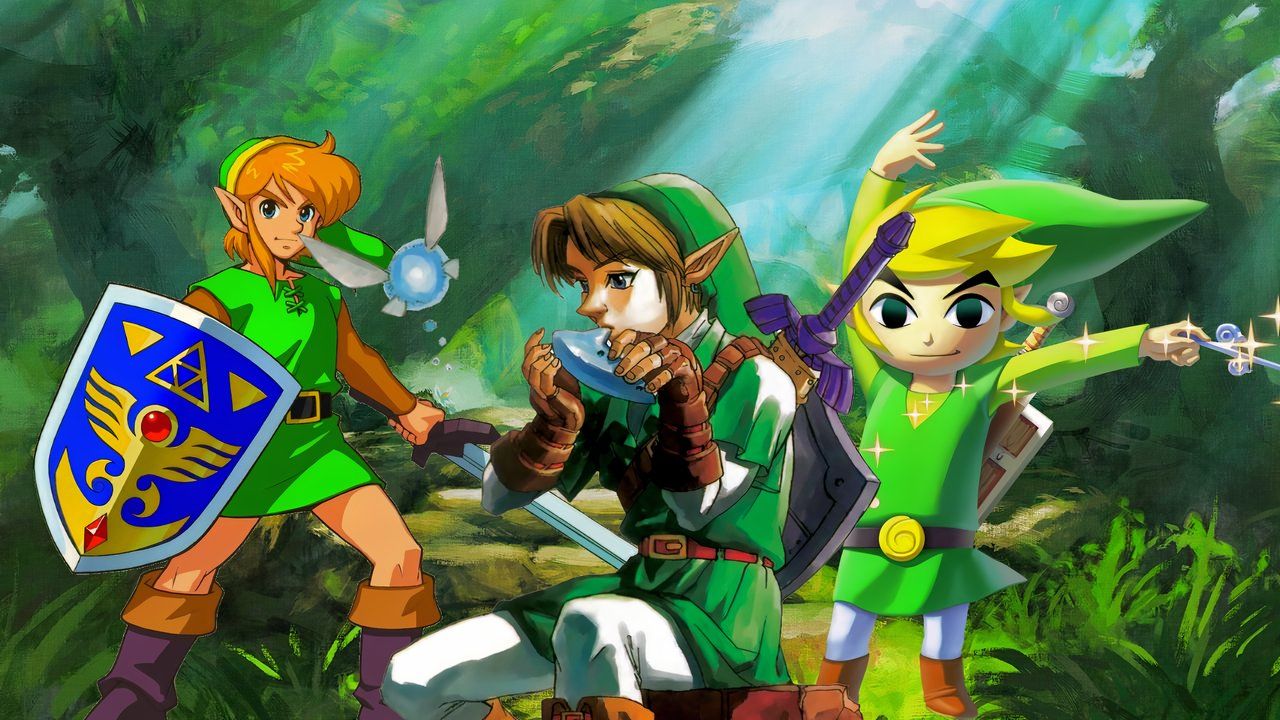
Games need characters that are readable from far camera angles and busy backgrounds, too. A prominent forehead helps silhouettes stay clear during movement and combat today. It also gives space for helmets, headbands, and magical markings to be easily placed. Big Forehead Characters in games can feel youthful, even with tough roles. When dialogue pauses, facial rigs can sell worry with raised brows well. Stylized models avoid fine details, so bold planes matter much more. The forehead becomes a single, clean plane, catching light and drawing attention directly.
Villains, Heroes, and Mixed Signals
A forehead is not locked to heroes, and villains use it too. Sharp brows over that space can look calculating, as if plans are forming quietly. Round brows can look harmless, then twist into a menacing look without warning. Big Forehead Characters sometimes play against expectations, leaning toward sweetness or unsettling, too. The design lets eyes dominate, so moral cues feel slightly ambiguous inside. Costumes and voices do the heavy lifting, while the face stays open. That openness can feel inviting or eerie, depending on the scene.
Read More: Disney Boy Names Ideas and Meanings for Your Baby
Merchandise Fan Art and Memes
Merch loves clear shapes, and big foreheads turn into cute, simple toys. Chibi versions exaggerate the height even more, leaning into charm hard today. Memes circle that blank space, adding captions, stickers, and doodles fast. Big Forehead Characters serve as templates for reactions, especially online embarrassment or disbelief. Fan artists play with shine, gradients, and soft wrinkles to add texture. Some redraws go realistic; others go extra cartoony. Both feel playful, too. The forehead becomes a canvas, and the joke lands without cruelty here.
Modern Redesigns and Softer Lines
Modern shows often soften proportions, but tall brows keep showing up again. Designers add texture with freckles, bangs, or gentle shading near temples today. The shape may shrink a little, then quickly return during dramatic reactions. Some studios aim for subtlety, though the old exaggeration never disappears entirely. New character rigs need flexibility, so foreheads get more joints and range. That makes micro-expressions easier, like tiny worry lines or half smiles now. It feels less like a gag, more like a comfortable visual rhythm.
Conclusion
The appeal comes from clarity, and faces like clarity more than realism. A generous forehead gives emotions room to breathe, wobble, and change direction. It can read funny, tender, or unsettling, depending on context and voice. Big Forehead Characters feel memorable because their silhouettes stick in the mind. Viewers may not name the trick, but they notice the effect too. Over decades, the look crosses mediums, picking up new textures and jokes. The big brow space keeps inviting expression, and audiences keep answering quietly.
FAQs
Why do big-forehead characters look expressive in cartoons and comics so quickly?
Extra brow space lets eyebrows travel farther, shaping emotions with fewer lines.
Are big-forehead characters really common in anime compared with Western animation styles?
Anime uses forehead space for emotive symbols, while Western styles lean toward slapstick.
Do artists mostly choose tall foreheads to make characters cute or comedic?
Often yes, though some designs aim for elegance, awkwardness, or mystery too.
Can big-forehead characters work in realistic games without feeling strange to players?
Realistic rigs reduce exaggeration, but clean silhouettes keep faces readable from afar.
What makes big-forehead characters memorable to audiences after watching many shows lately?
Distinct head shapes stick in memory, and eyes gain stronger focus overall.




 Bengali (Bangladesh) ·
  English (United States) ·