
 1 week ago
1
1 week ago
1 
If you’re releasing music today, you’ve probably asked:
What actually counts as a single, an EP, or an album?
The confusion is real. Between Spotify guidelines, distributor rules, and outdated industry definitions, many artists aren’t sure how their music will be classified. In this guide, we’ll break it down clearly so you can choose the right format for your release and your current stage as an artist.
Quick Answer (TLDR)
Single: 1 to 3 tracks, usually focused on one main songEP (Extended Play): 4 to 6 tracks, typically under 30 minutesAlbum (LP): 7+ tracks or over 30 minutesBut there’s more to it, especially when it comes to how platforms like Spotify treat your release.
What is a Single?
A single is a release built around one primary song.
Characteristics of a Single:
Track count: Usually 1–3 tracksDuration: Typically under 10–15 minutes totalFocus: One main track (sometimes with remixes or alternate versions)Why artists release singles:
Promote one strong songStay active on streaming platformsBuild momentum over time2026 Insight:
For new & independent artists, singles are the most effective growth strategy. Frequent releases help you stay visible in algorithms like Release Radar and Discover Weekly. If you’re deciding between formats, it’s worth understanding why independent artists often focus on singles over albums before committing to a larger project.
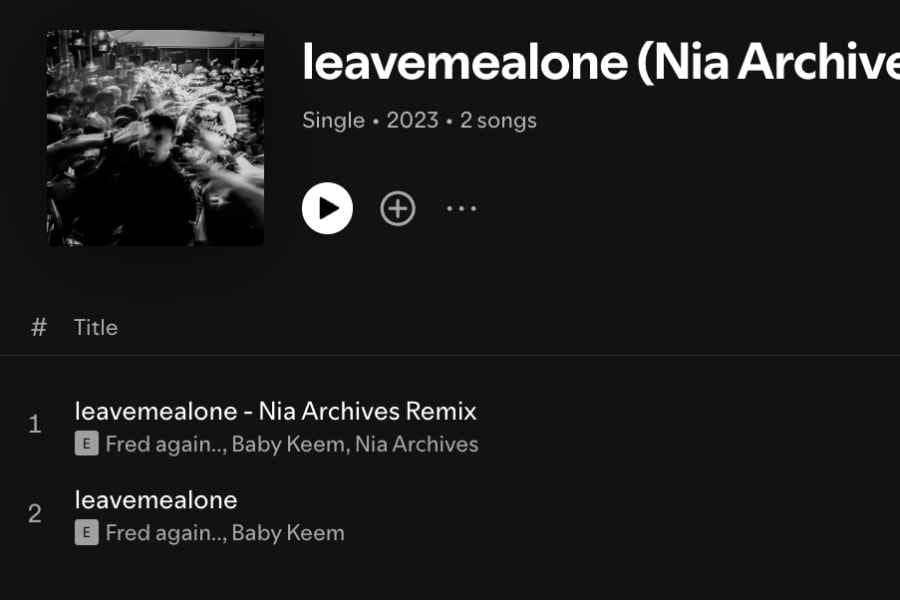 Example of a Single
What is an EP?
An EP (Extended Play) sits between a single and an album.
Characteristics of an EP:
Track count: Usually 4–6 tracksDuration: Around 15–30 minutesPurpose: A small, cohesive collection of musicWhy artists release EPs:
Showcase range without committing to a full albumIntroduce a new sound or eraGroup songs with a shared vibeEPs are often the best middle ground for emerging artists who want to go deeper than singles.
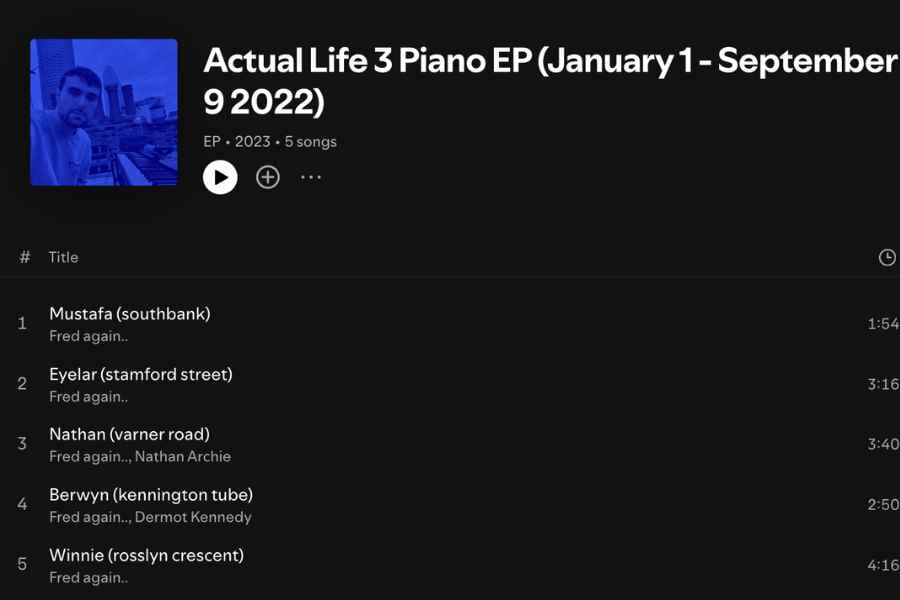 Example of an EP
What is an Album?
An album (LP) is a full-length project.
Characteristics of an Album:
Track count: Typically 7+ tracksDuration: Usually 30 minutes or longerPurpose: A complete artistic statementWhy artists release albums:
Tell a bigger storyCreate a major moment in their careerDeliver a cohesive body of workAlbums still carry weight, but they require significantly more time, budget, and strategy.
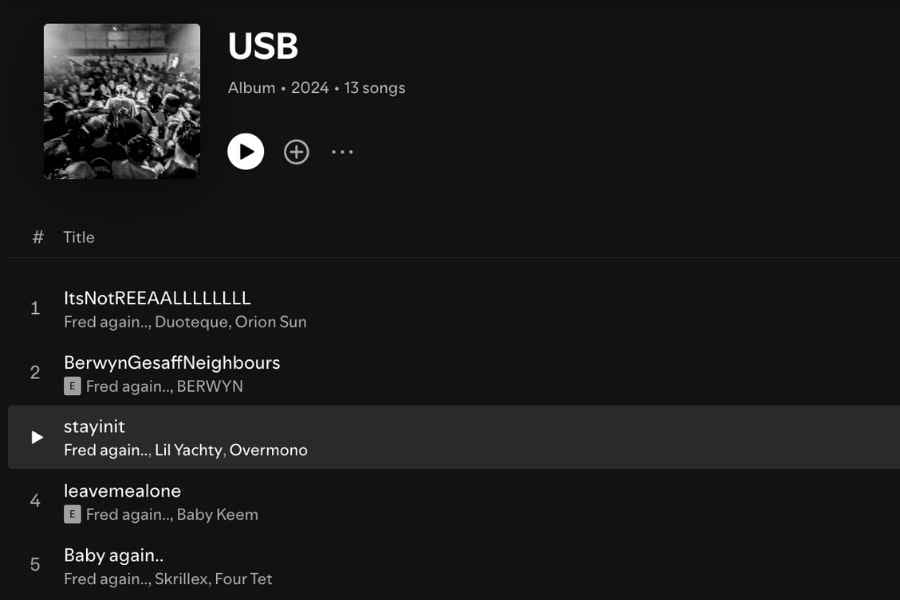 Example of an Album
How Spotify and Distributors Classify Releases
This is where things matter most for artists today.
Most platforms follow general rules like:
Single: 1–3 tracks AND under 30 minutesEP: 4–6 tracks AND under 30 minutesAlbum: 7+ tracks OR over 30 minutesImportant: Runtime can override track count.
For example:
A 2-track release over 30 minutes may be treated as an albumA 6-track release over 30 minutes may also be considered an albumBefore you release anything, make sure you understand how to choose the right music distributors for your next release, since they ultimately control how your project is delivered and categorized on platforms like Spotify.
Why Release Format Matters More Than You Think
Choosing between a single, EP, or album affects more than just labeling.
1) Streaming Performance
Singles = more frequent opportunities for algorithm exposureAlbums = attention split across multiple songs2) Audience Growth
Singles are easier for new listeners to engage withEPs and albums build a deeper fan connection3) Marketing Strategy
Singles = consistent contentEPs = mini campaignAlbums = full rolloutHow to Choose the Right Format For Your Music
Deciding whether to release a Single, an EP, or an Album depends on several factors, including your career stage, budget, and artistic goals.
Early Career:
Single: Ideal for new artists looking to make an impact with a standout track. It's a great way to introduce yourself to the audience without overwhelming them.
EP: Useful for showcasing your versatility and building a substantial connection with listeners. It provides a broader introduction to your music.
Established Career:
Single: Can keep your audience engaged between larger projects. It's also effective for experimenting with new sounds.
EP: EPs serve as teasers for upcoming Albums or as a way to explore side projects or new styles without the pressure of a full Album.
Album: Ideal for making a significant artistic statement and deepening your connection with your audience. It also provides ample material for promotional tours and campaigns.
Budget Considerations:
Single: Most cost-effective and quickest to produce.
EP: Moderate investment with more content to offer than a Single.
Album: Requires the most significant financial and time investment but offers the most substantial artistic and commercial return.
Common Mistakes Artists Make
Releasing an album too early
Without an audience, albums often underperform.
Treating EPs like leftover songs
An EP should feel intentional, not random.
Ignoring strategy
The format matters less than how you release it.
Final Thoughts
Understanding the difference between a single, an EP, and an album isn’t just about definitions; it’s about making smarter release decisions.
If you choose your format intentionally, you’ll give your music the best chance to grow and connect with the right audience. Once you’ve decided on your format, the next step is execution. This song release checklist for artists will help you plan your rollout properly and avoid common mistakes.
FAQS
Is an EP technically an album?
An EP isn't technically considered an album. It's shorter than a full-length album but longer than a single. Typically, an EP has about 3-5 songs, while an album usually has 8 or more tracks.
What makes an EP not an album?
An EP isn't considered an album mainly because of its length and the number of tracks. An EP usually has 3-5 songs and runs for about 15-30 minutes, while an album typically features 8 or more tracks and lasts 30 minutes to over an hour.
EPs are often used to give listeners a taste of new music without the commitment of a full album, making them a great way for artists to release music more frequently.
Is it better to release singles or albums?
Depending on your goals, you can choose between singles or an album. Singles keep your audience engaged with frequent releases and are easier to promote.
Albums allow for a deeper artistic expression and can generate more revenue and media attention. New artists might build an audience with singles, while established artists can make a larger impact with albums.
Using both can effectively showcase your work and keep fans interested.
Is an EP better than an album?
An EP isn't necessarily better than an album; it just depends on your goals. EPs allow for more frequent releases and experimentation, giving listeners a taste of your music.
Albums offer a deeper artistic expression and can have a bigger impact. The best choice depends on what you want to achieve with your music.
EP vs LP
An EP (Extended Play) is shorter than an LP (Long Play, or album). EPs usually have 4-6 songs and last about 15-30 minutes, while LPs have 8 or more tracks and are longer.
Looking to Promote Your Music?
Use our Spotify Playlist Submissions or TikTok Promotion services.




 Bengali (Bangladesh) ·
  English (United States) ·