

Intel co-founder Gordon Moore observed that processing power doubles every two years whilst almost halving in cost. That should translate to older technology dropping in price and year on year seeing the cheapest prices in the sales, right? The reality is far from simple in the world of skywatching.
For stargazers who have dipped their toes into the world of binoculars and telescopes, prices stack up quickly and even one purchase can wipe out thousands of dollars. Now, there are levels to stargazing equipment, budget models like a Celestron Travel Scope 70 telescope and a pair of Celelestron Cometron 7x50 binoculars will run you between $50-$100 but don't expect the best optical performance. At the complete other end of the scale are premium options like smart telescopes and some image-stabilized binoculars which can run from just under $1,000 all the way to $5,000. There are obviously plenty of in-between models but whichever option you pick, you are still seeing a big chunk of money go out of the bank account when purchasing.
Shopping the sales: Prime Day and Black Friday
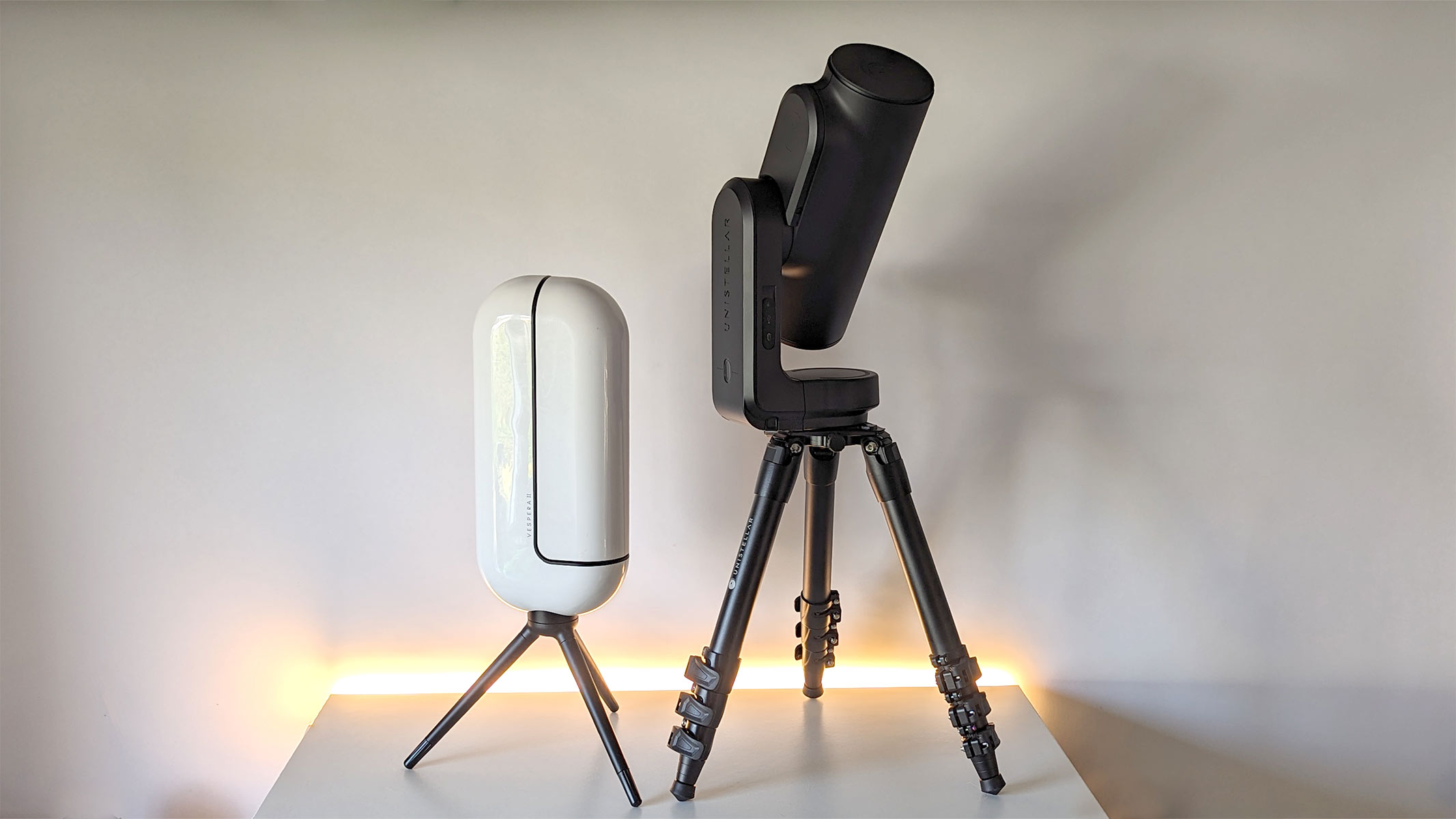
Sales events like Prime Day and Black Friday are the usual contenders for getting a good chunk of money off a big purchase. Prices fluctuate throughout the year but I would be inclined to say that the best prices on big purchases have been around Black Friday. Take this Unistellar Odyssey smart telescope, which is 15% off for their Father's Day 2026 sale, it had its last cheapest price on Black Friday 2025.
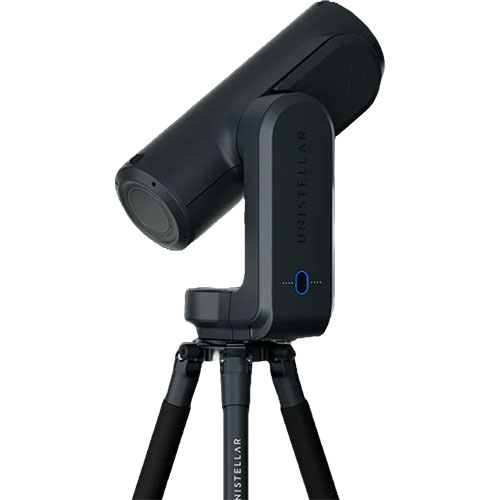
Save $390 on our best smart telescope for versatility, thanks to its small form factor and light weight compared to the rest of the Unistellar line-up. It has autofocus and doesn't require collimation, so it is the perfect smart telescope for a beginner.
It got four and a half stars in our Unistellar Odyssey review thanks to its great views of deep space objects and good color rendition on astrophotography shots.
Price accurate at time of writing.View Deal
Does that mean you should wait until then for a guaranteed lowest price? It depends. If you are not in a hurry to get it and are happy to wait, then I would advise you to wait and see if you can get it cheaper. Although waiting for too long just means more time not using the instruments and observing the night sky. You could also fall into the trap of waiting too long and missing out on the best deal available at that time.
Changes to the skywatching industry
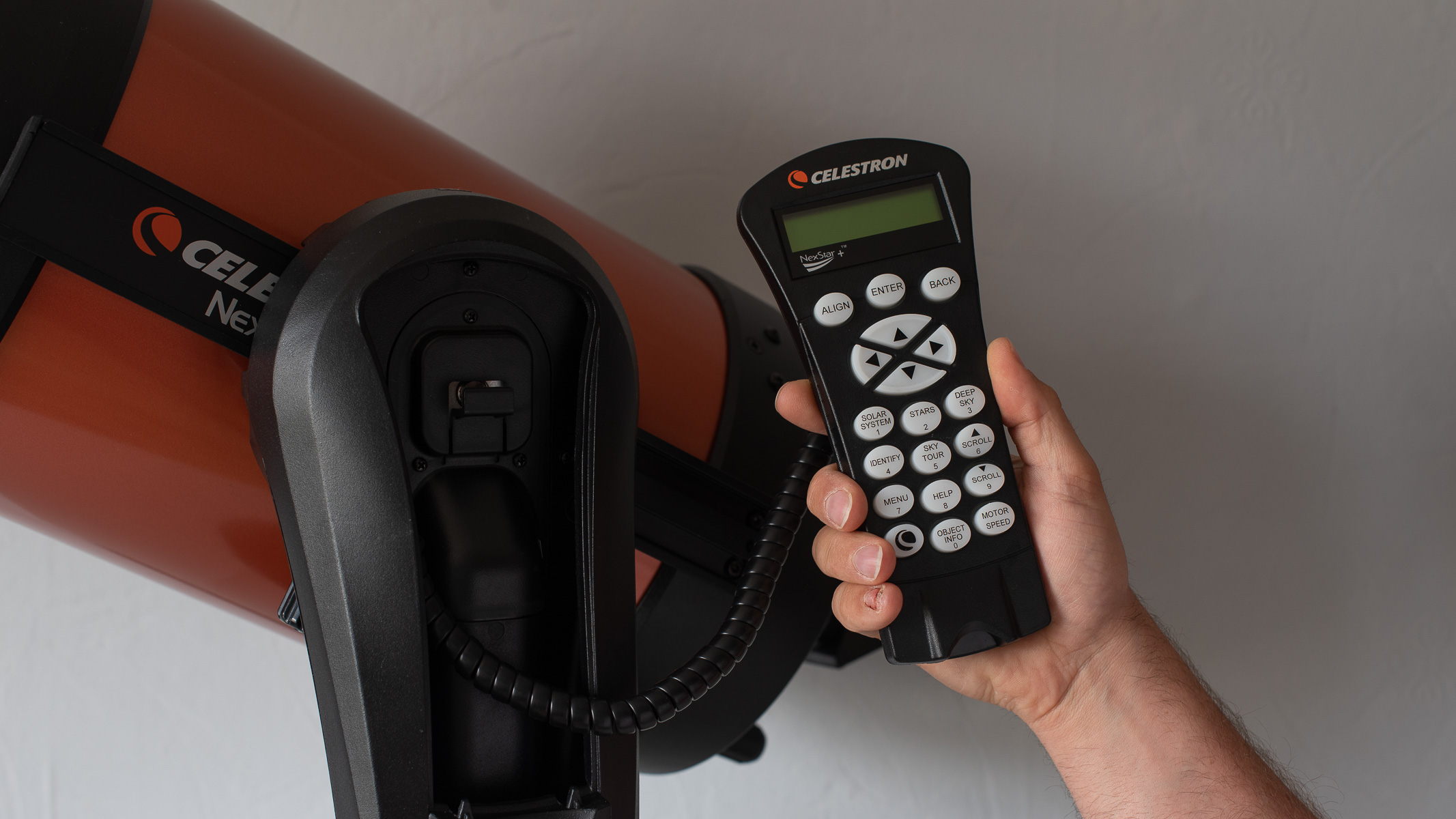
Take the Celestron Nexstar 8SE; it's currently $200 off, but this is a frequent reduction for this product. Its last cheapest Amazon price was in October 2025 with $300 off but that is a far sight from its cheapest ever Amazon price of $882. If you had kept waiting after seeing this saving, thinking it might get cheaper, you would have missed out on getting it at over $800 off its current full retail price. Bear in mind, this was in Dec. 2019 and a lot has happened since then. Demand for skywatching optics exploded during the COVID-19 pandemic, with people staying at home more and looking for outdoor hobbies. Pair this with rising US-China trade tariffs and general inflation and you have conditions for a huge price increase on these kinds of products. There was also a huge $32 million class action settlement reached in 2025, resulting from a legal battle involving major telescope manufacturers and brands following allegations of price fixing and artificially inflated costs.
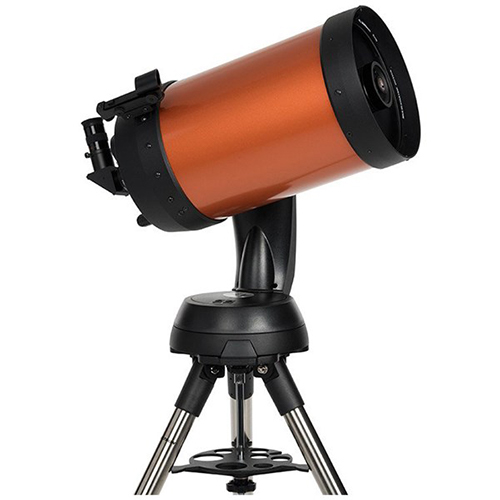
Save $200 on the best motorized telescope in our best telescopes guide. We rated it four and a half stars in our NexStar 8SE review.
It features an eight-inch aperture, a useful magnification of up to 180x, an easy-to-operate hand controller and stunning optics, perfect for almost any night sky object.
Price accurate at time of writing.View Deal
Development and deployment of new technology can lead to high prices for the newest and most advanced models but it also makes obsolete or older technology much cheaper. The latest wave of fully smart telescopes are incredibly expensive because they represent the latest skywatching technology; they can automatically find objects (nothing new there) but they can also autofocus and image them straight from a smartphone, so you can get warm and toasty inside with a warm beverage if you so desire.
Their release has also driven down the prices of models with older GoTo technology and Wi-Fi-controlled mounts. For an easy comparison: the Celestron NexStar 8SE (2006) represents the first wave with GoTo technology and computerization, the NexStar Evolution 8 (2014) represents the second wave with Wi-Fi integration and the Celestron Origin Intelligent Obsevatory II (2026) represents the third wave, with full smart capabilities.
Binoculars: The new Frontier
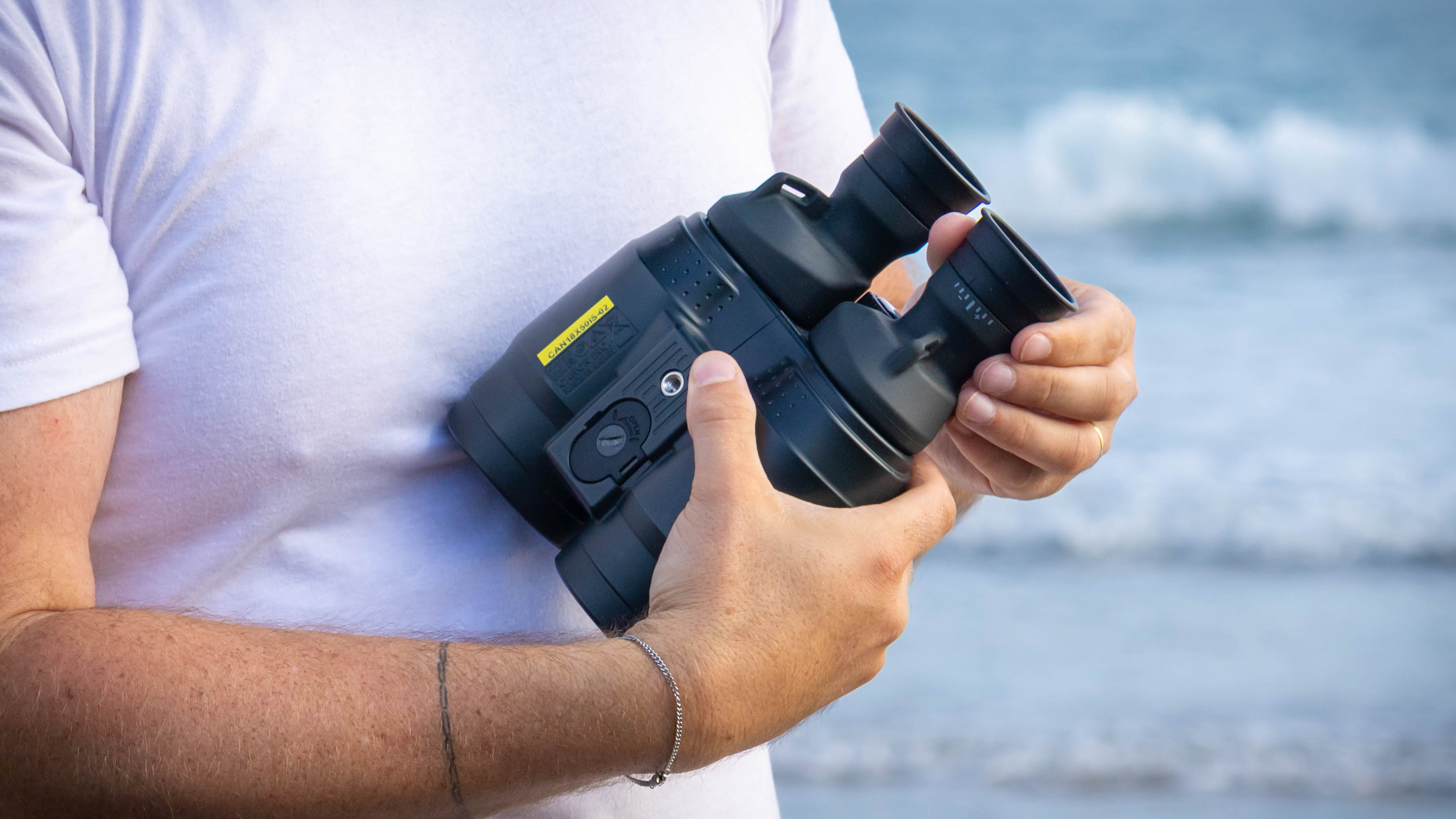
Binocular manufacturers are also working with new technologies but more often than not, the best improvements are made in the quality of optics, resulting in cleaner and brighter images. Image-stabilized (IS) models have been getting releases since the 90s, with the consumer wave of electronic stabilization being kicked off by Canon with the release of their 12x36 IS model in 1997. This and their other IS models have been receiving minor upgrades to their functionality and optics, like the latest version of the Canon 18x50 IS binoculars, which feature super-spectra coatings, higher precision manufacturing and eco-glass optics.
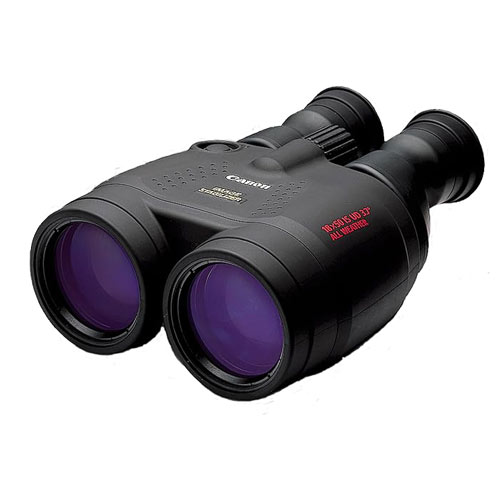
Save $100 on these great image-stabilized binoculars from Canon. They have a huge 18x magnification and big 50mm objective lenses, so you can get very close to the stars.
Check out our full Canon 18x50 IS binocular review.
Price accurate at time of writing.View Deal
In the years since, we have seen other companies hone this technology, make housing smaller, improve optical elements and develop smoother stabilization mechanisms. The 2025 release of Fujifilm's Fujinon Techno-Stabi 1640 image-stabilized binoculars represent brand beating stabilization and high optical quality, which makes them one of the best pairs of binoculars I have ever used. For the 2026 summer sales events, they are currently at their lowest ever price at Walmart.

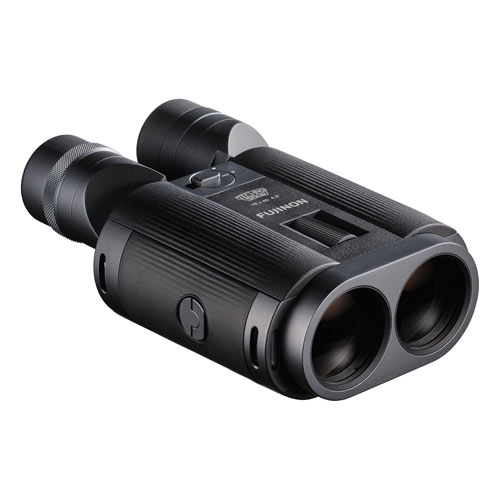
Save a huge $275 on the incredible Techno-Stabi TS-L 1640 image-stabilized binoculars. They contain Fujifilm's premium optics in a lightweight package with some of the strongest image stabilization on the market.
I gave them four and a half stars in my full Fujifilm Fujinon Techno-Stabi TS-L 1640 image stabilized binoculars review.
Price accurate at time of writing.View Deal
The handheld optics world is entering a new wave of advancements with the advent of smart binoculars that can identify stars and animals directly through the eyepieces. The upcoming Unistellar Envision smart binoculars use an augmented reality (AR) overlay to identify night sky objects, locate trails and identify landscape features. Their pre-order price was $999, with their release retail price expected to be $1499, so sometimes it can benefit you to invest early with innovative technologies.
 Our editor-in-chief Tariq Malik said the Unistellar Envision binoculars felt like something out of Star Trek.Tariq Malik / Future
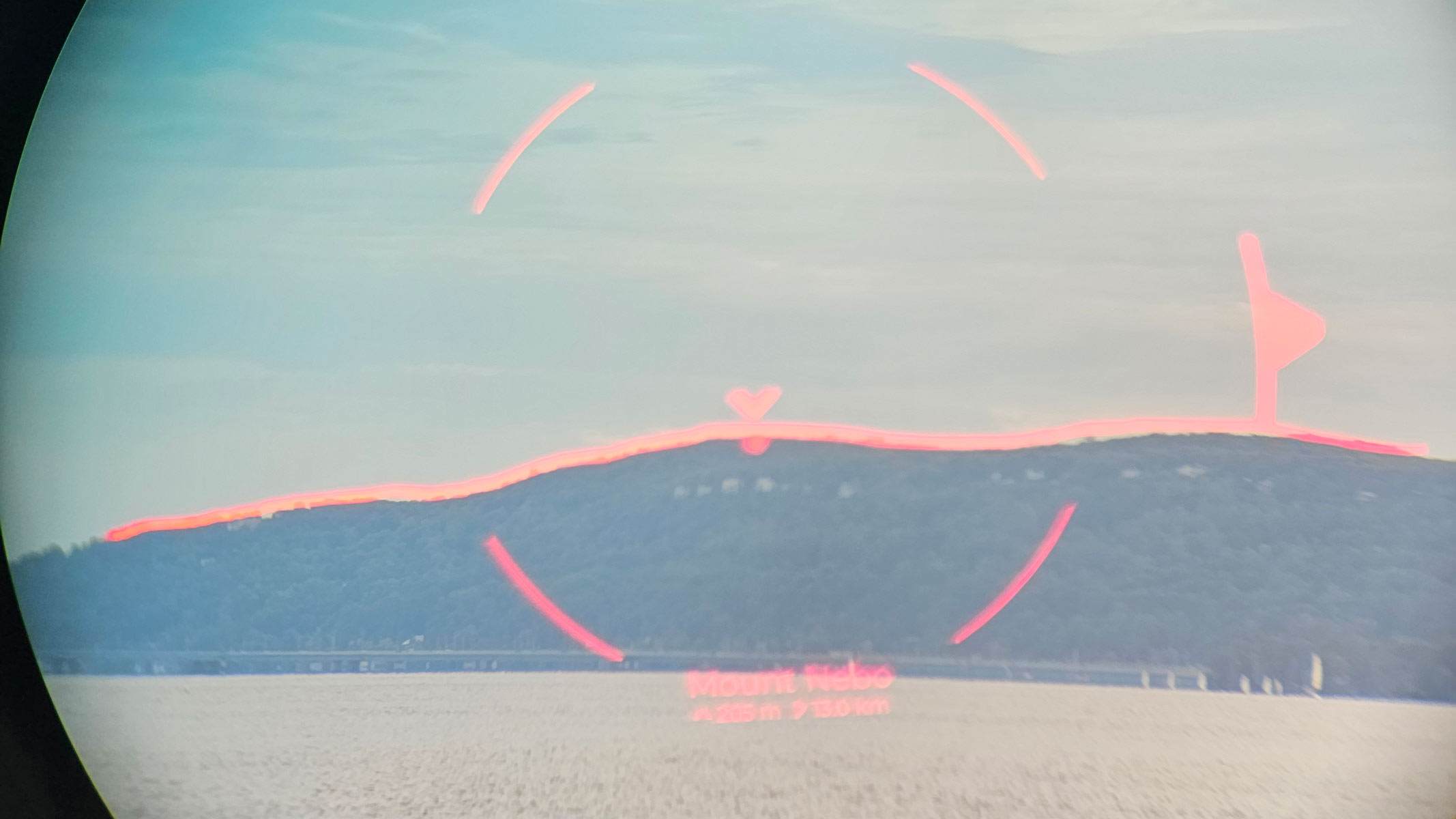 The red augmented reality (AR) overlay can identify stars and geographical features.Tariq Malik / Future
The Final Say
Is it worth buying now and risking the price dropping more in later years or waiting for a lower price, only to find that it never comes? Unless you have serious insider knowledge, it depends on what your personal circumstances and budget are right now. If you are going on holiday to a dark sky spot soon and have a once-in-a-lifetime opportunity for amazing stargazing or an event like a solar or lunar eclipse, you might be happier to sacrifice more money for that experience. If you are just casually interested in getting something but aren't super intent on needing it right now, then waiting could be better.

If you have a huge budget and need stargazing optics quickly, you may not be bothered by a potential price leeway and would benefit from just getting the instrument at a good price but not its best one. If you are a beginner with a low budget who is just getting into skywatching, it can definitely pay off to wait for the best ever price, at least at a yearly low, so that you can save money which might go towards a more advanced piece of equipment in the future.




 Bengali (Bangladesh) ·
  English (United States) ·