

Silent Hill: Townfall's St. Amelia is a singularly unnerving location, especially if, like me, you are blessed with the good fortune to be a Scot. It's a fictional place, but one that a lot of us are intimately familiar with, even as it's twisted by fog and trauma. It's a nightmare, and like most nightmares it's powerfully relatable.
When I spoke with director Jon McKellan at Gamescom, we talked a lot about Scottishness and authenticity, which St. Amelia has in spades. And with the game now out in the wilds, we've reconvened—this time joined by art director Paul Abbott—to dig deeper into the town's origins, and the process that brought it to life.
Arrival
(Image credit: Konami)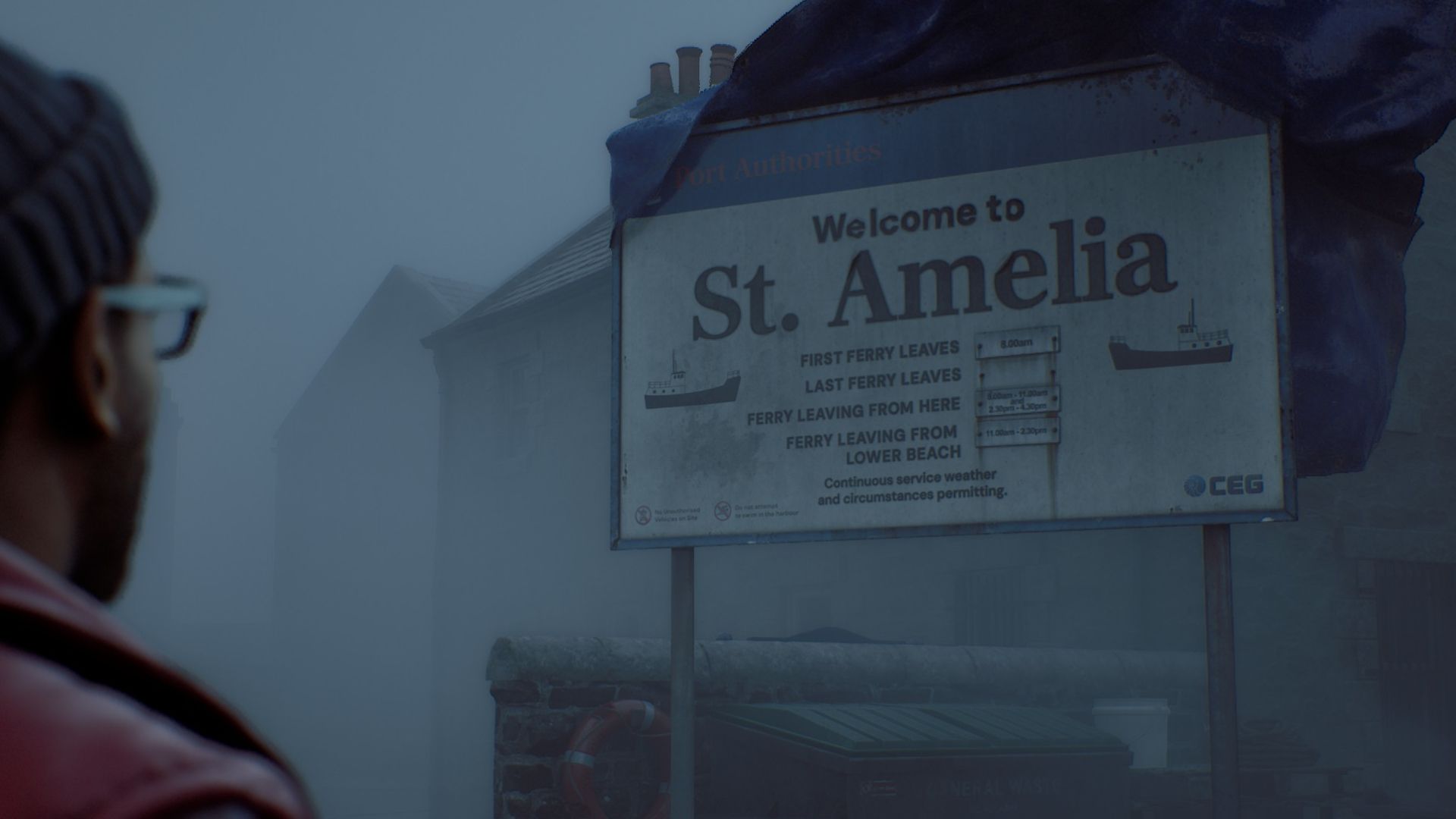
Screen Burn knew it wanted to create St. Amelia, and it had a clear vision for the town right at the start. "We knew where we wanted to draw reference from—lots of Scottish coastal towns, island towns, stuff like that," McKellan tells me. "Once you've played through the story, I think the things that have happened to St. Amelia, it's very much because of who they are and where they are. So it was always a fundamental part of the story that it was the type of town it was."
"We realised that leaning into things was going to make things much more authentic."
Jon McKellan
But what wasn't locked down was St. Amelia's location. "What wasn't clear right away was whether we were actually going to say that it was a Scottish town or just a Northern European town, and kind of leave it very vague." It didn't take long for Screen Burn to settle on making it more specific, however. "We realised that leaning into things was going to make things much more authentic."
The original pitch to Konami described it as a small fishing village with Scottish heritage—something that should feel familiar and nostalgic to Scots, but bizarre to players from outside of the UK. "It should feel like a very new type of environment," McKellan adds.
(Image credit: Konami)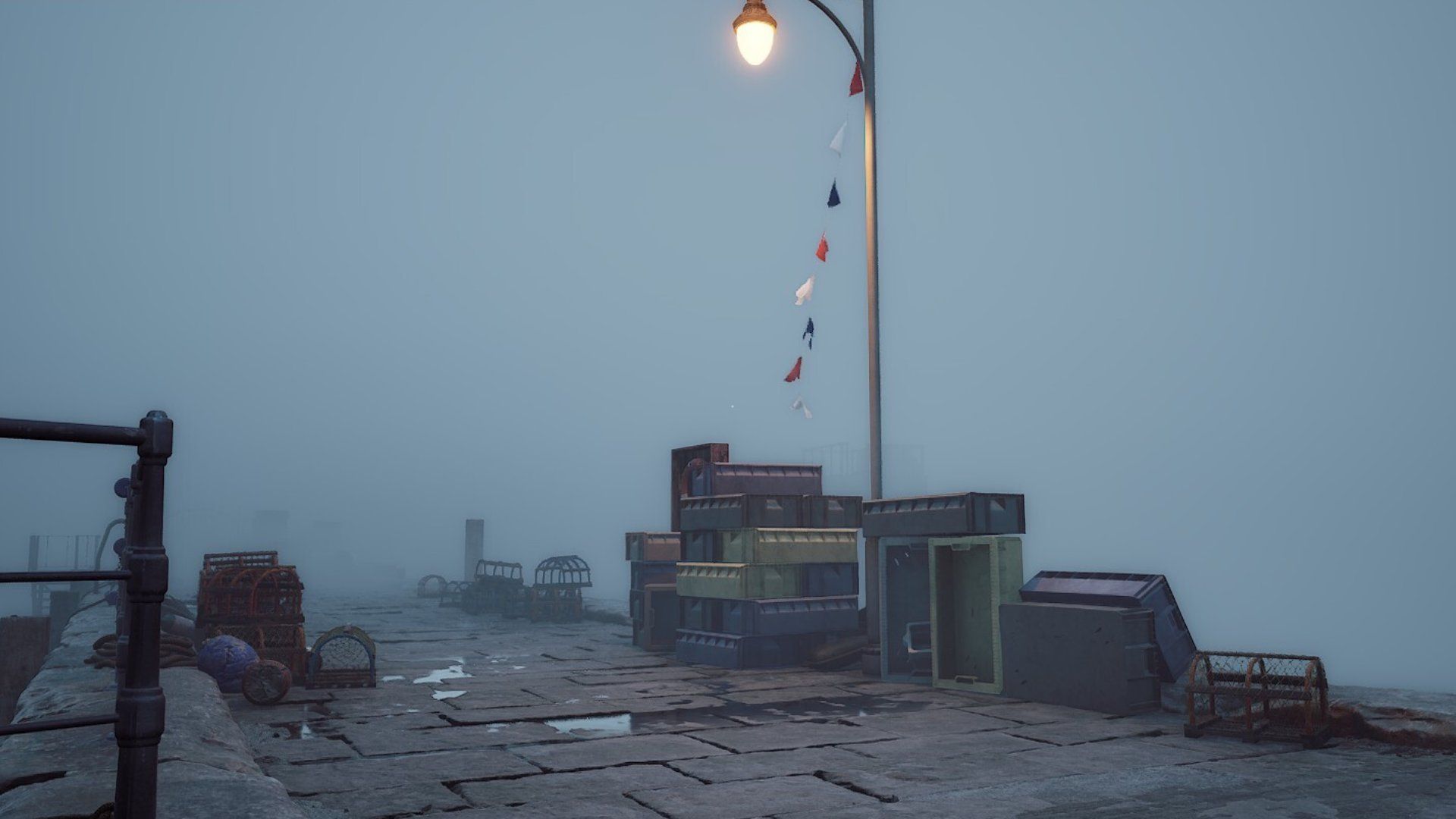
After 27 years of both publishing and developing Silent Hill games, you might expect Konami to be extremely protective of the horror series, but McKellan says the publisher proved to be pretty hands-off—it was fully onboard with Screen Burn's concept.
Screen Burn (formerly No Code) co-founder and Townfall director Jon McKellan. (Image credit: Screen Burn)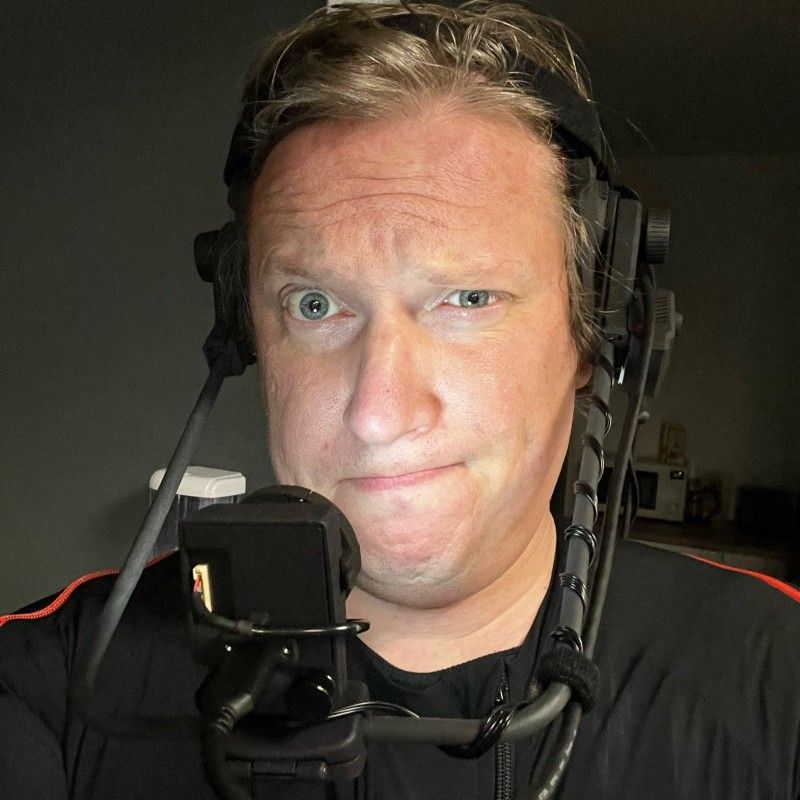
"They knew we were passionate about striving for authenticity," he says, "not just in visuals but in the general feel of things—and that having a Scottish team build a Scottish town was the right way to go. Both Konami and Annapurna would regularly play and provide feedback, of course, but I think what was really surprising from the get-go was how aligned we all were on our general ideas and pitch."
It's surprising, given how much of a big deal Silent Hill has once more become for Konami—there's the assumption that big publishers like to meddle a wee bit, or leave developers with challenging restrictions. "It's such a rare joy to work with teams that welcome experimentation and exploration," McKellan adds, "especially on a franchise as big as this."
(Image credit: Konami)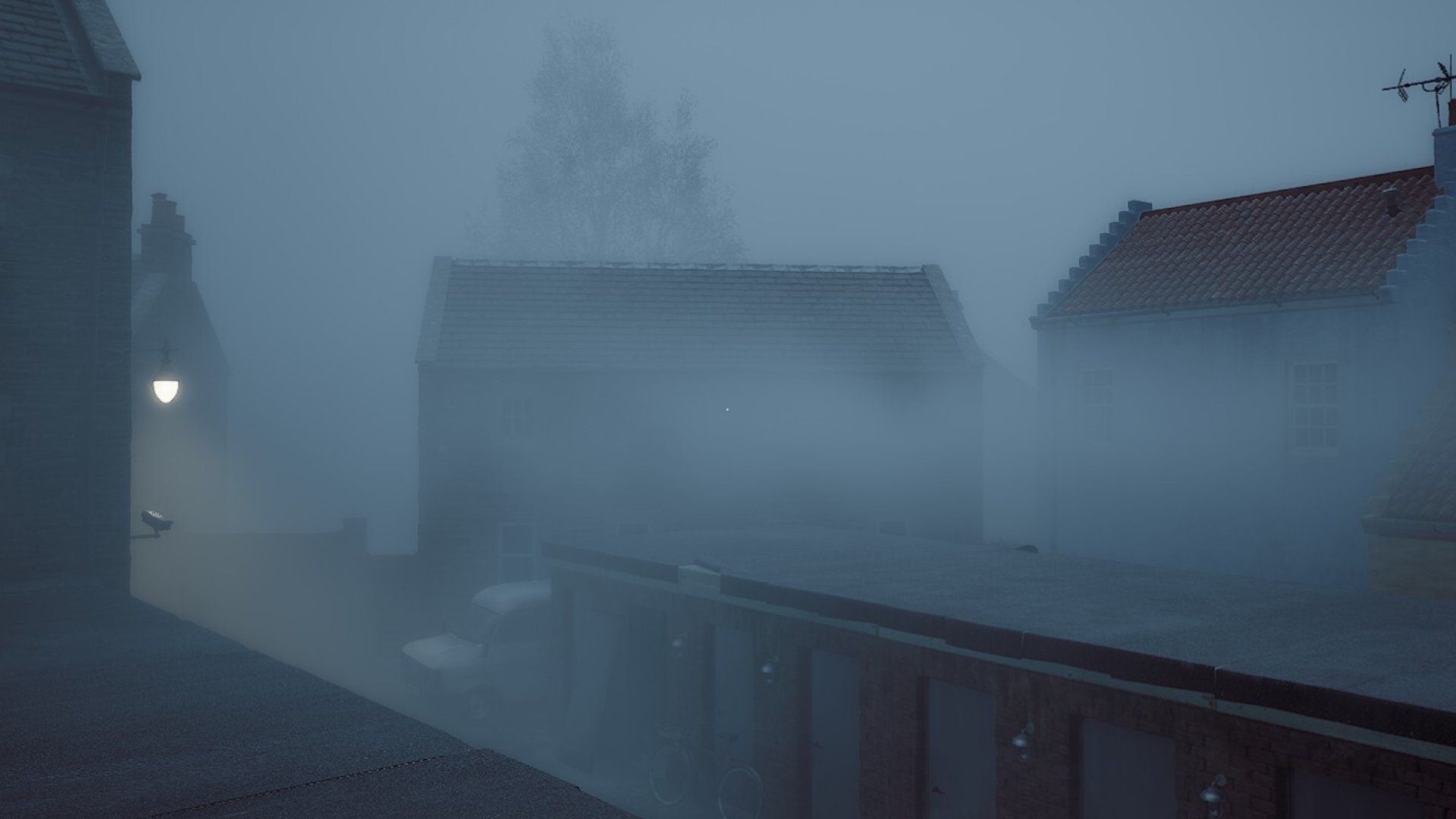
Konami's faith paid off. When I first stepped into St. Amelia, it was like being hurled back 30 years. The wallpaper, furniture, a thousand little touches, all reminding me of what Scotland looked like when I was wee. "I think pretty much anyone that's kind of grown up in the UK or been here a lot will find something recognisable within St. Amelia somewhere," says McKellan, "whether it's shop signs or your granny's kitchen. You'll find something to hook onto, but then for people who are not from the UK, it's somewhere they've never seen before."
Screen Burn art director Paul Abbott. (Image credit: Screen Burn)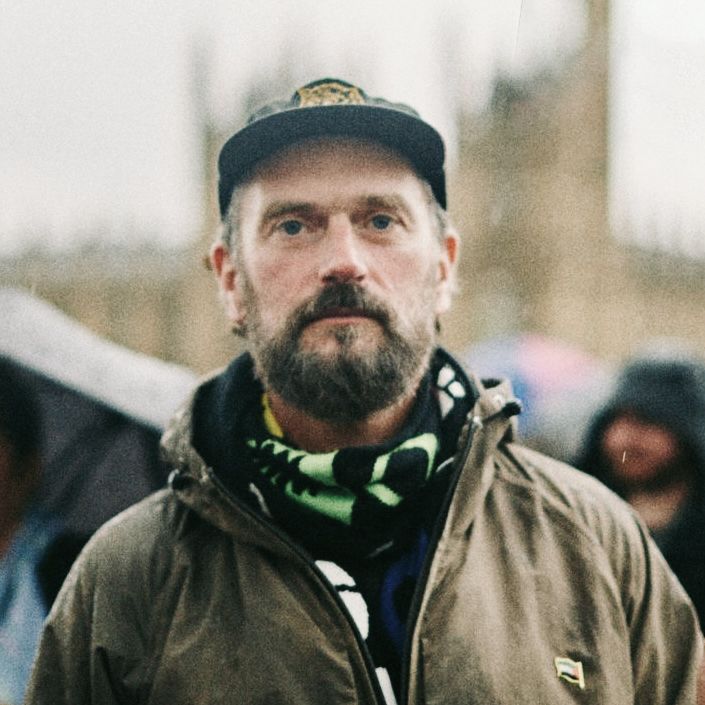
These tiny familiar or alien touches, depending on what part of the world you live in, aren't merely set dressing. The old TVs and crimes against interior decorating ground Townfall with their mundanity, which makes the horror rug pull all the more effective.
"Whether it's Silent Hill-style horror or sci-fi horror, the more grounded and believable something can be, the more it affects you when it goes wrong," says McKellan. "So if you can buy into the world, if it's familiarity or detail or touch points that people can relate to—all of that starts to build a subconscious picture. And when you turn it on its head and flip it, it becomes all the more unsettling. If everything was completely crazy, then nothing's crazy."
It helped that St. Amelia already kind of existed—or versions of it, at least.
Sightseeing
(Image credit: Screen Burn)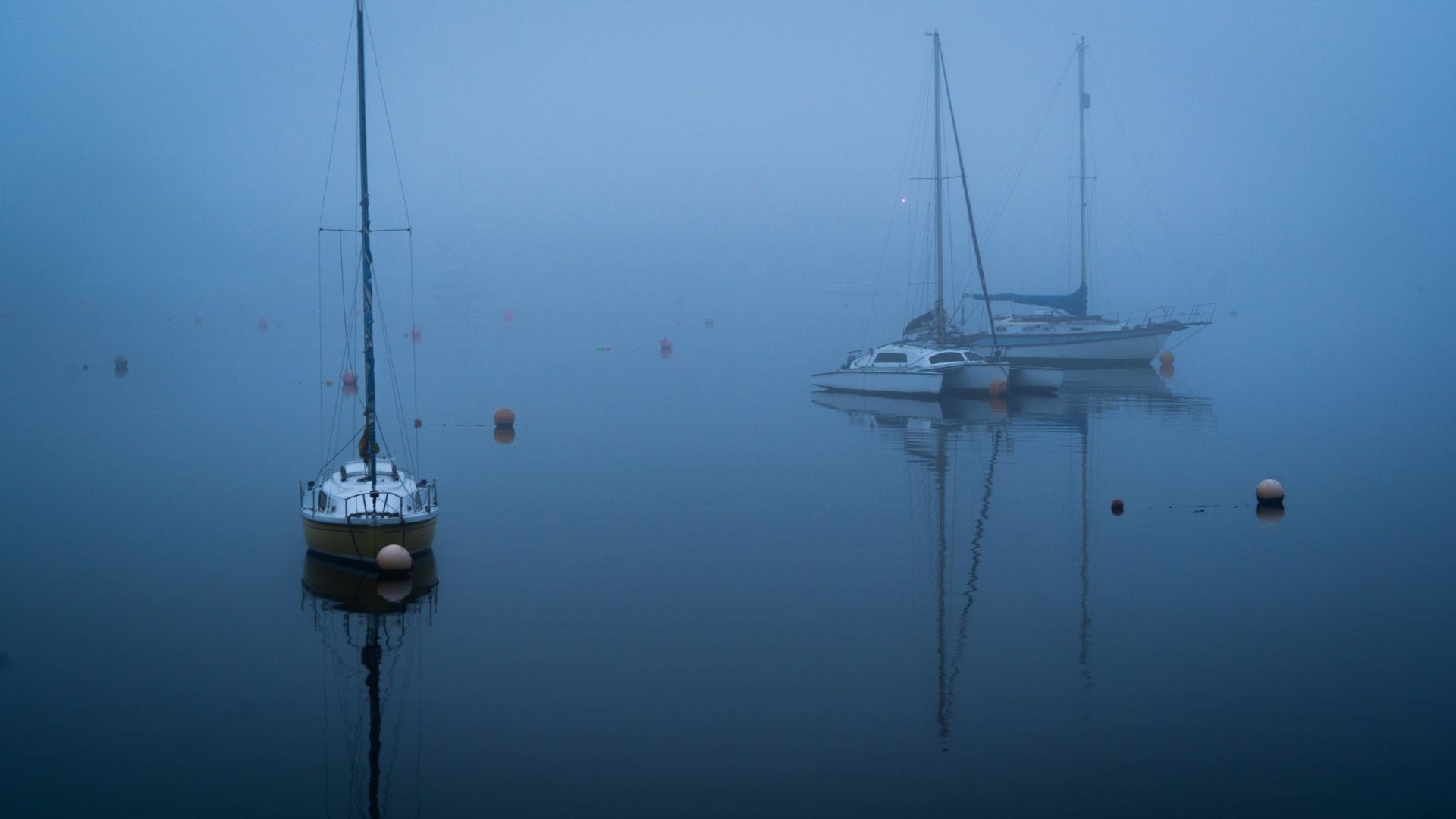
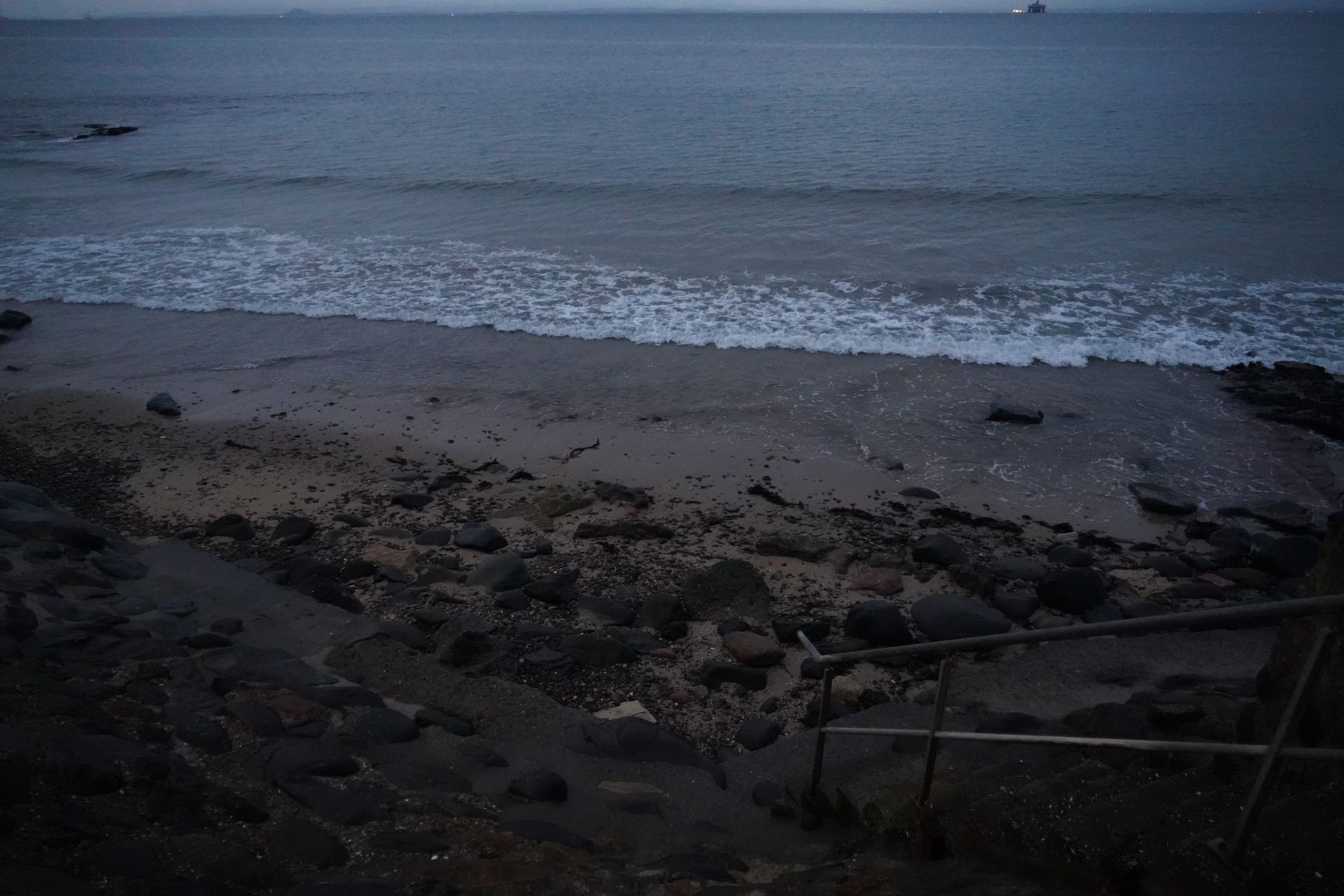
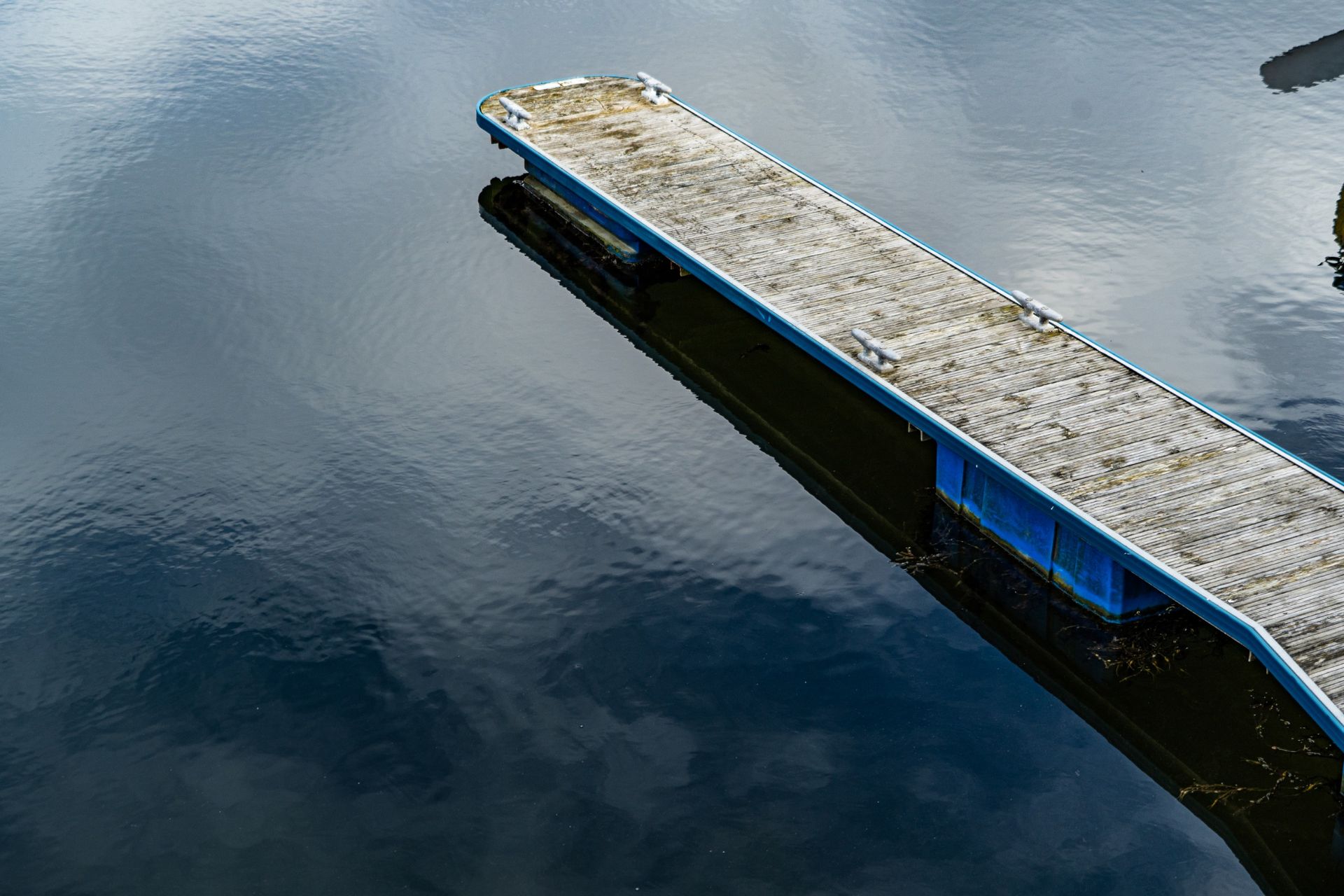
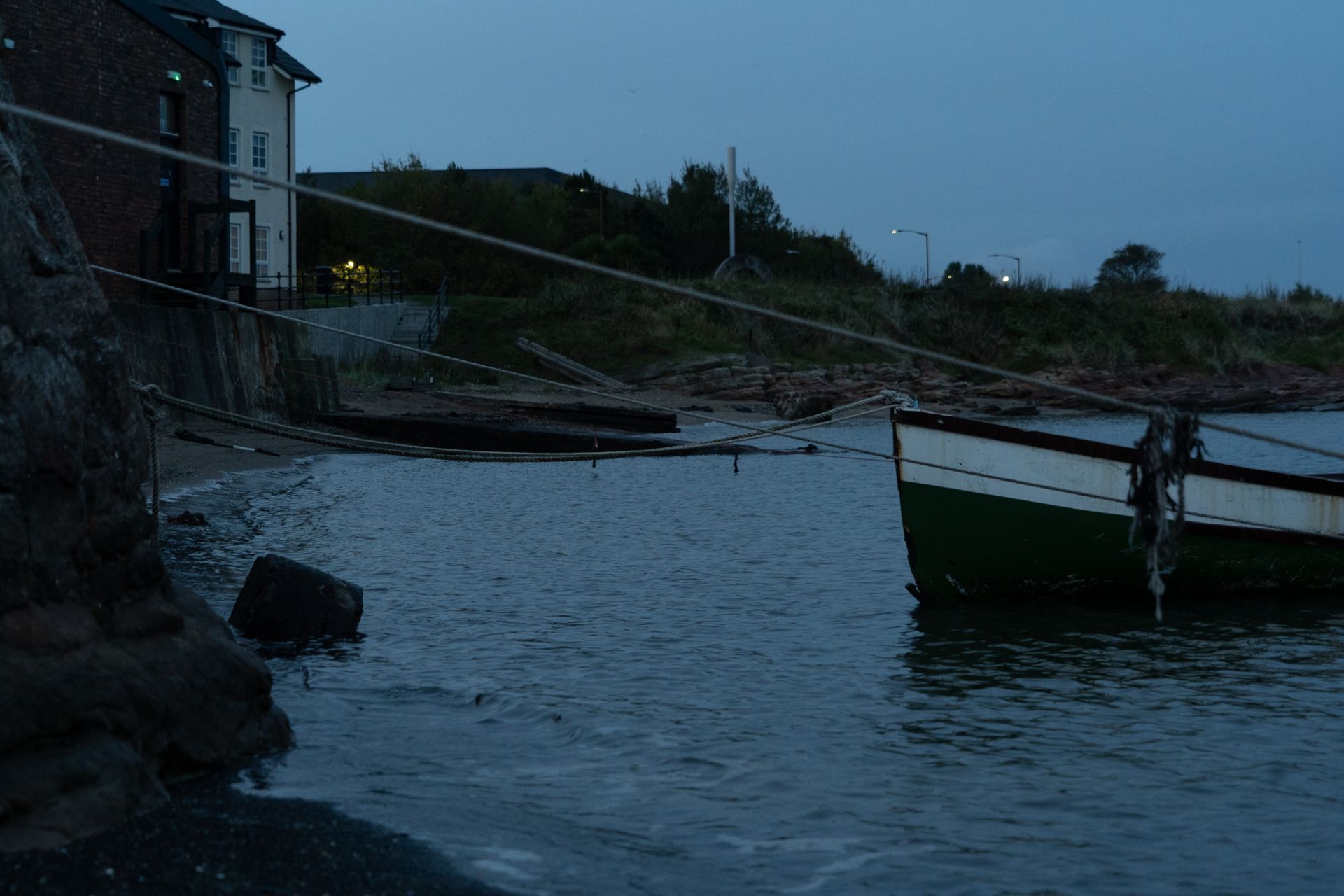
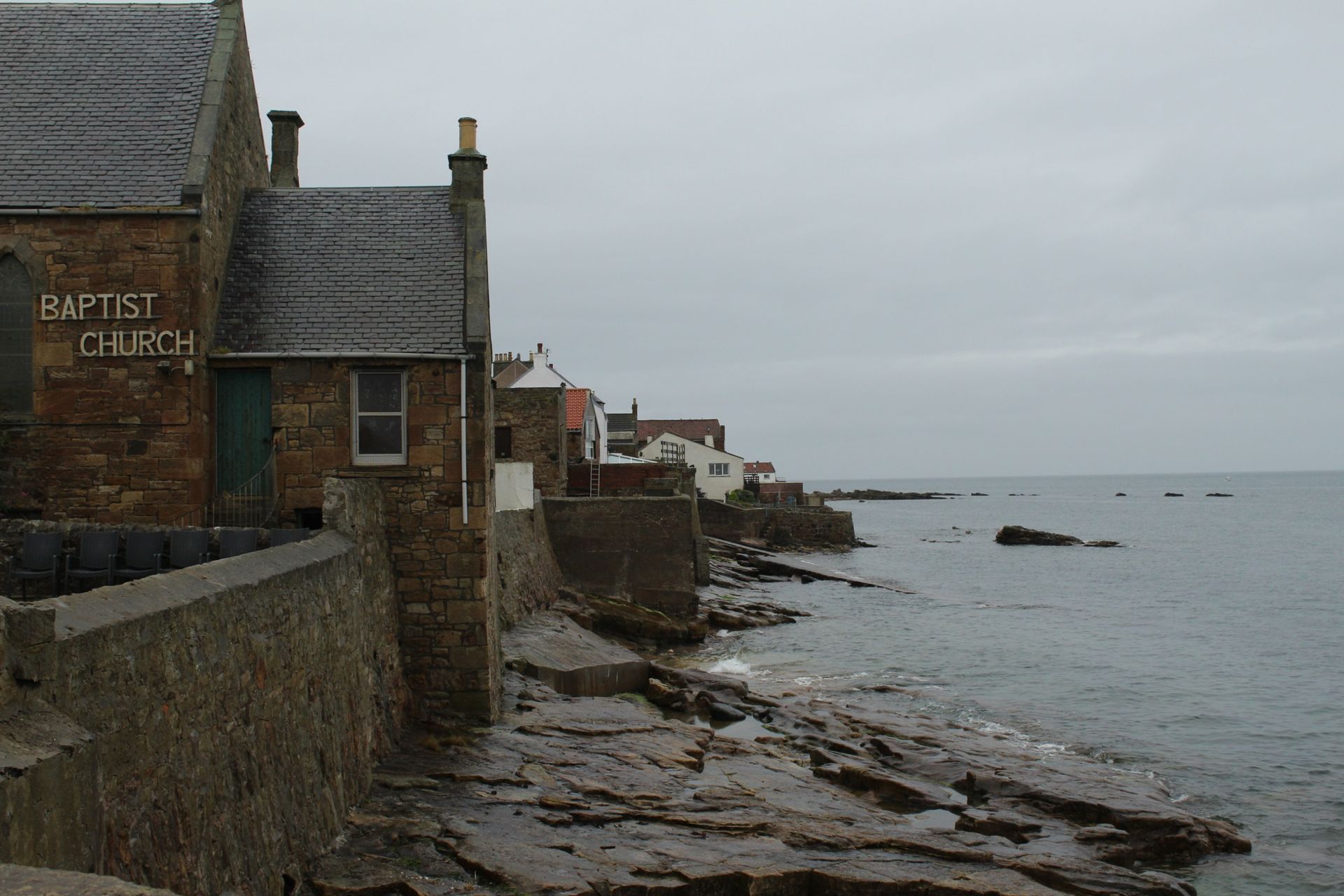
"We toured all over Scotland," says McKellan, "and some of North England as well. We went down to North Berwick, down that east coast, and went up to Shetland, which obviously had a lot of parallels, up in Lerwick, especially for the story we told."
Lerwick is the UK's most northern town, more than 100 miles away from the mainland. It's not particularly easy to get to, so Screen Burn only visited it once, but you can see a lot of it in St. Amelia—that cosiness juxtaposed to how isolated it is.
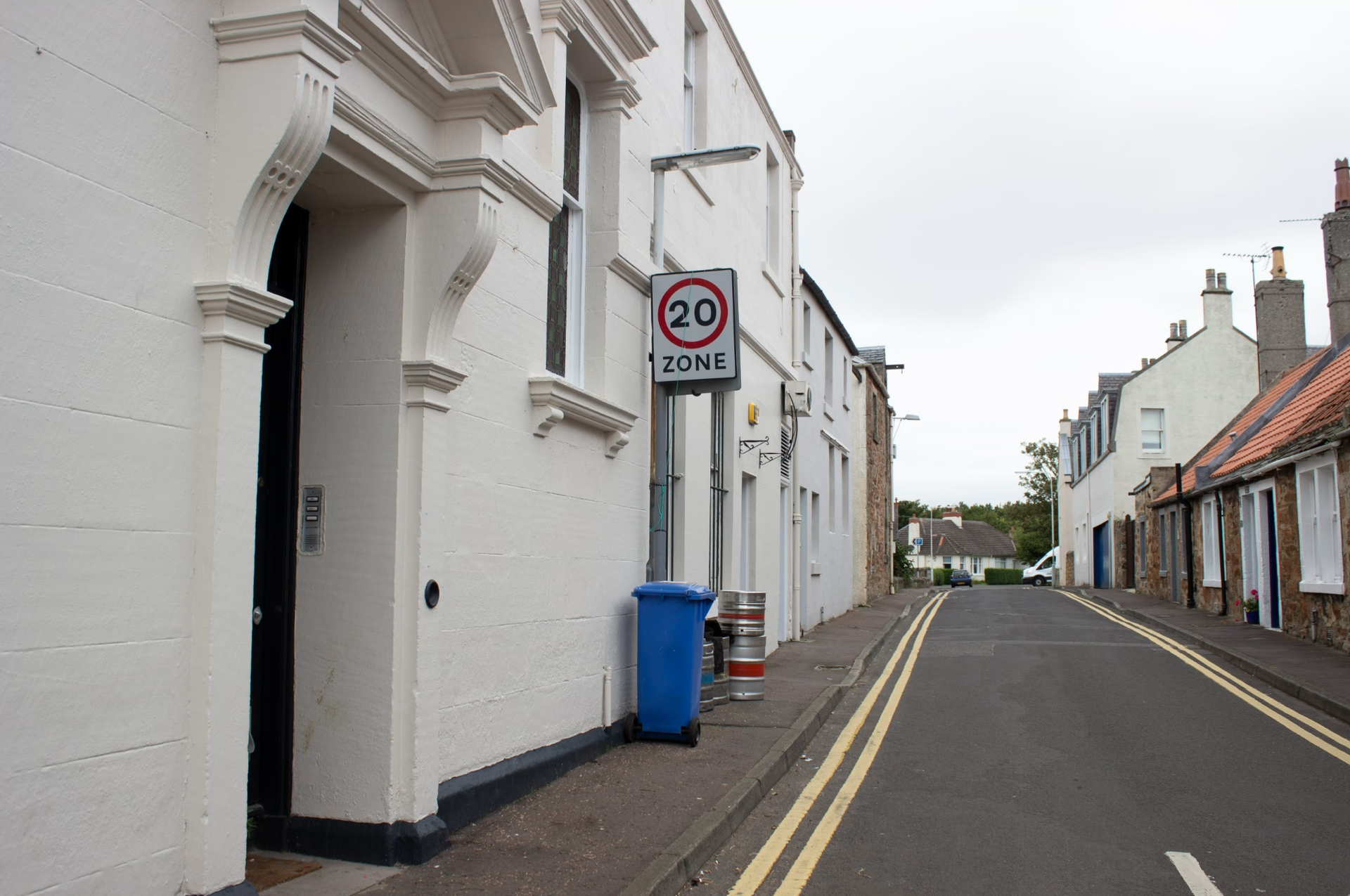
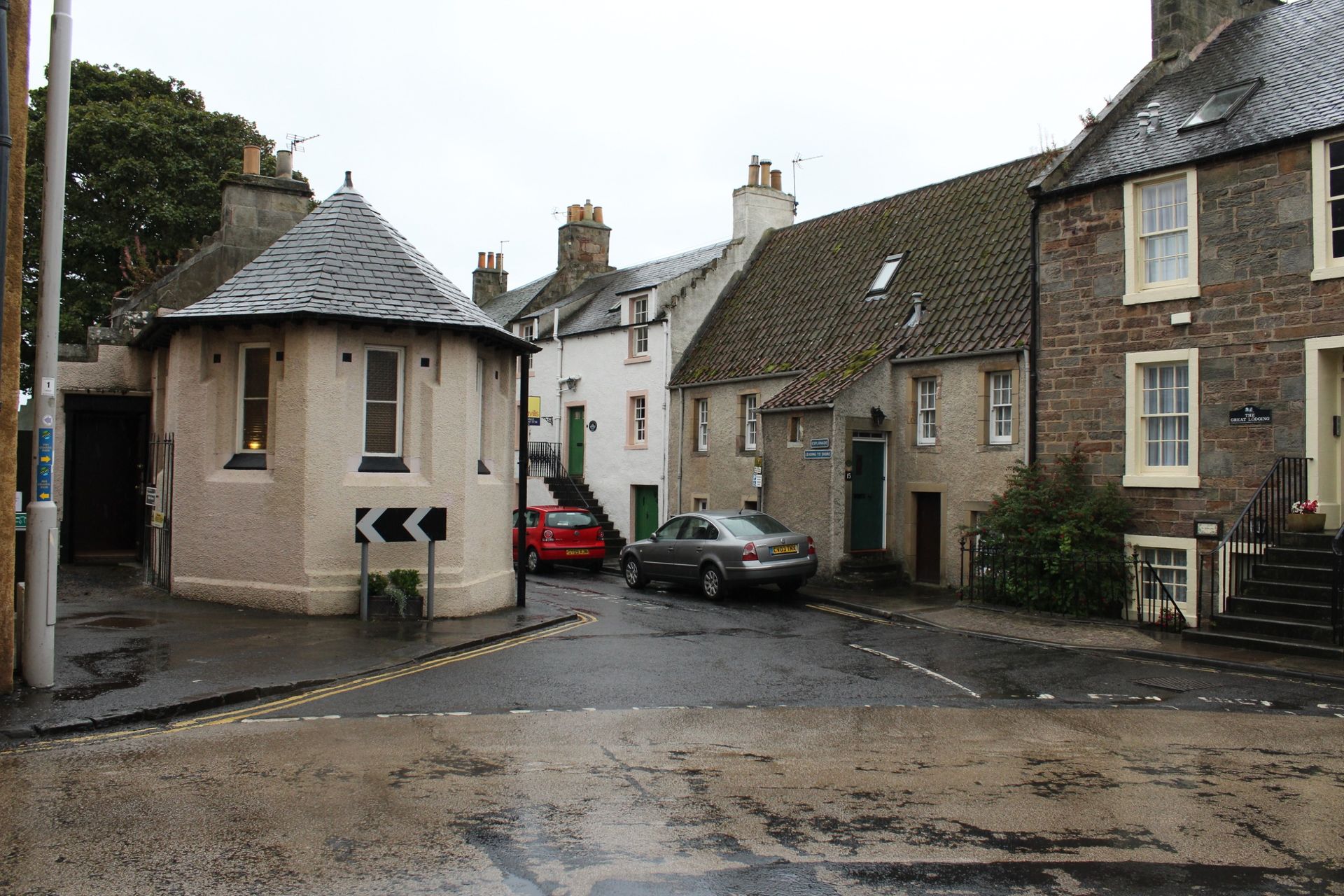
St. Monans, on the Fife coast, was another major influence. You can tell even at just a glance: the coloured houses on the waterfront, the reliance on fishing, the sense, in specific locations, that time has stood still. There are buildings and streets that Screen Burn replicated in St. Amelia almost exactly.
(Image credit: Screen Burn)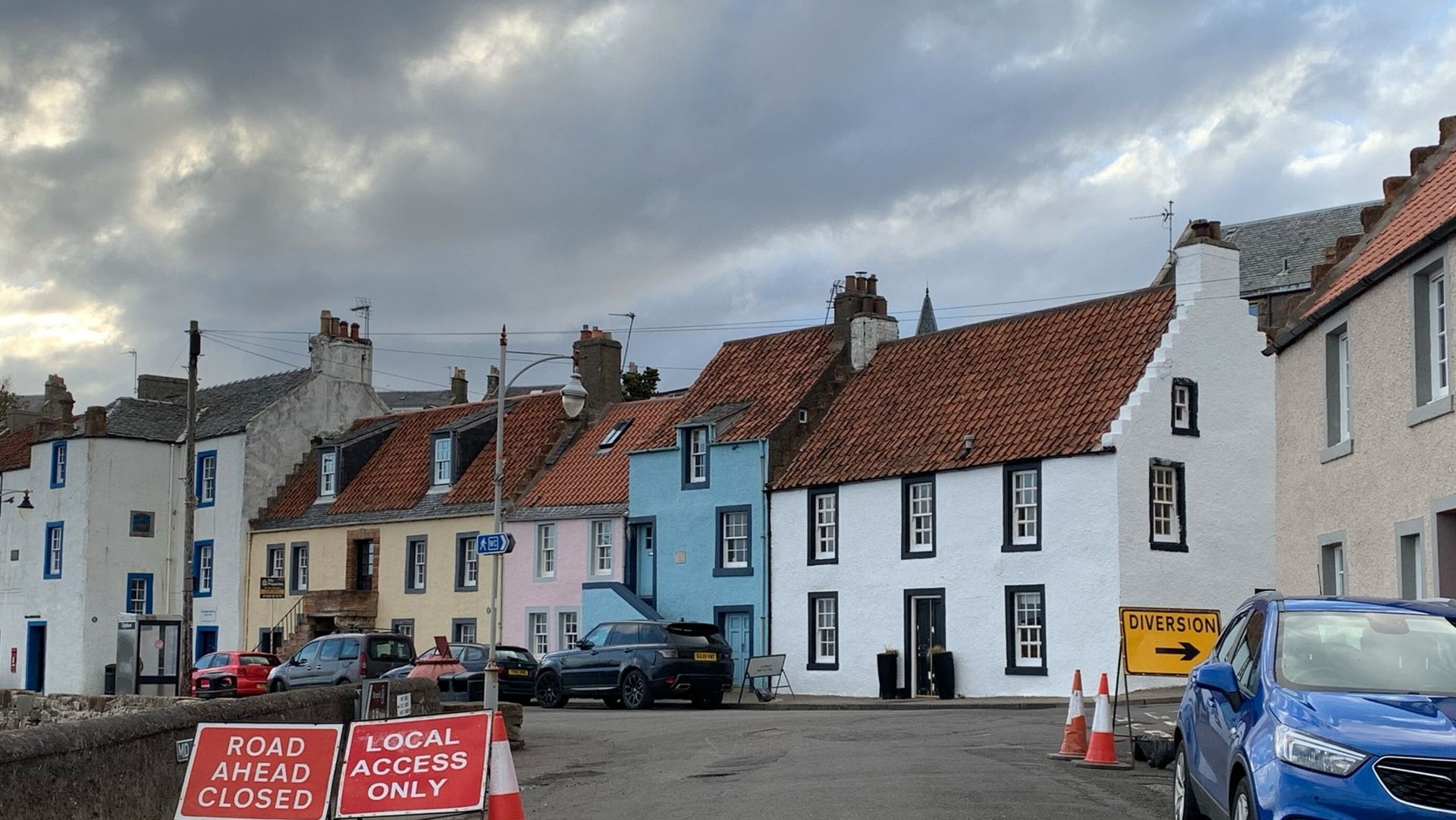
"It's this tiny little pocket town off to the side that a lot of people don't really talk about," says McKellan. "There's not a lot there, but those are the kind of places that captured the history better. Like, hadn't moved on quite so much, so you could kind of see how things used to be a little bit clearer."
It was perfect for Townfall. Pretty, but not lavish; not well known, but familiar. And it's got a bit of bite to it. St. Monans was, after all, named after a Christian missionary murdered during a Danish raid more than a thousand years ago.
You could kind of see how things used to be a little bit clearer.
Jon McKellan
But the atmosphere of St. Amelia is not entirely unique to Scotland. Abbot is English, and a lot of St. Amelia is drawn from his experiences and local haunts. "I grew up in the north of England, '70s and '80s, and it's quite a bleak place. And there's a lot of that in the game."
As Abbott points out, St. Amelia also captures the British horror films and TV shows of the '70s and '80s as well, "where you've got these empty towns that have just recently been lived in, but there's just this eeriness you recognise, and there's no one about."
(Image credit: Screen Burn)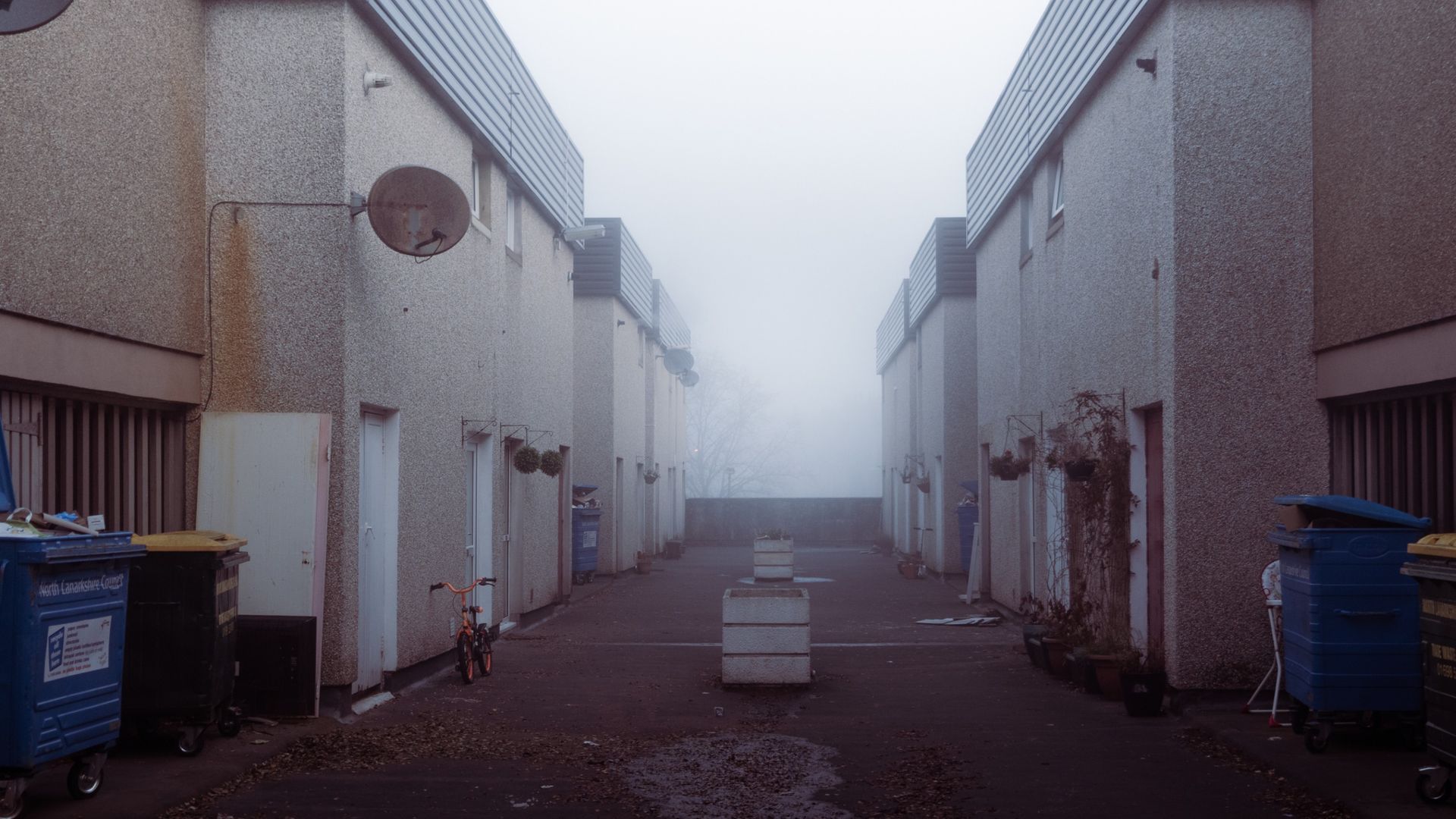
Even though there were a lot of references that Screen Burn was able to draw from, St. Amelia feels so cohesive because a lot of these wee towns are already so similar. When the studio narrowed down what it needed St. Amelia to be (not too big, not too touristy), that left it with a shortlist of towns that had a great deal in common.
Its island setting also informed a lot of the artistic and design decisions that Screen Burn had to make, "even down to what stone would be available to build these buildings," says McKellan.
"I think that helped, didn't it?" Abbott adds. "That direction of, well, it's a small island, they've only got a certain amount of materials on that island to work with, and so that just limits your palette, so it ties everything together."
Scanners
(Image credit: Screen Burn)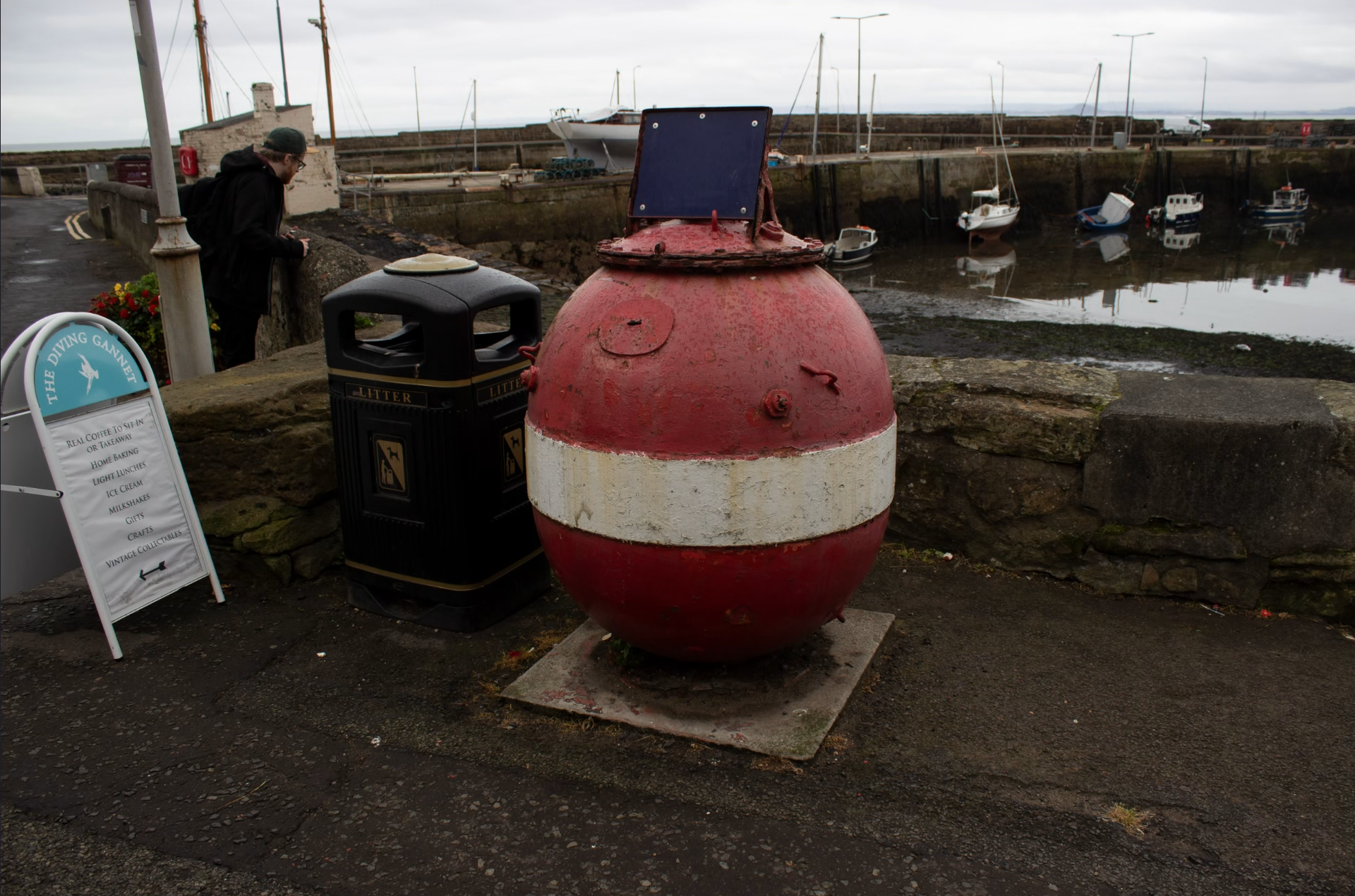
So St. Amelia was locked in very early on, but the path to bringing it to life wasn't straightforward, says McKellan. "A lot of it was evolving with the story, with the gameplay, kind of back and forth."
One thing that stayed the course, however, was that players would be exploring it in a first-person perspective. "From the original pitch it was always first-person," says McKellan. "We knew that searching and exploring the environment, and learning about the town in that way, was a key pillar, and you just don't build the same connection when your camera is five meters away from everything all the time.
"We felt with St. Amelia being 'the star of the show' we should let you really get in about it, and search those cabinets and drawers as you would in real life. It really informed how we built the town, as with no camera to accommodate over the players shoulders, we didn't have to compromise in accuracy or scale. Everything is a 1:1 match with its real-life counterparts. None of our doors are three times the height they should be just to let the camera through."
To create something that so overtly matched reality involved a lot of travel and a lot of snapping.
(Image credit: Konami)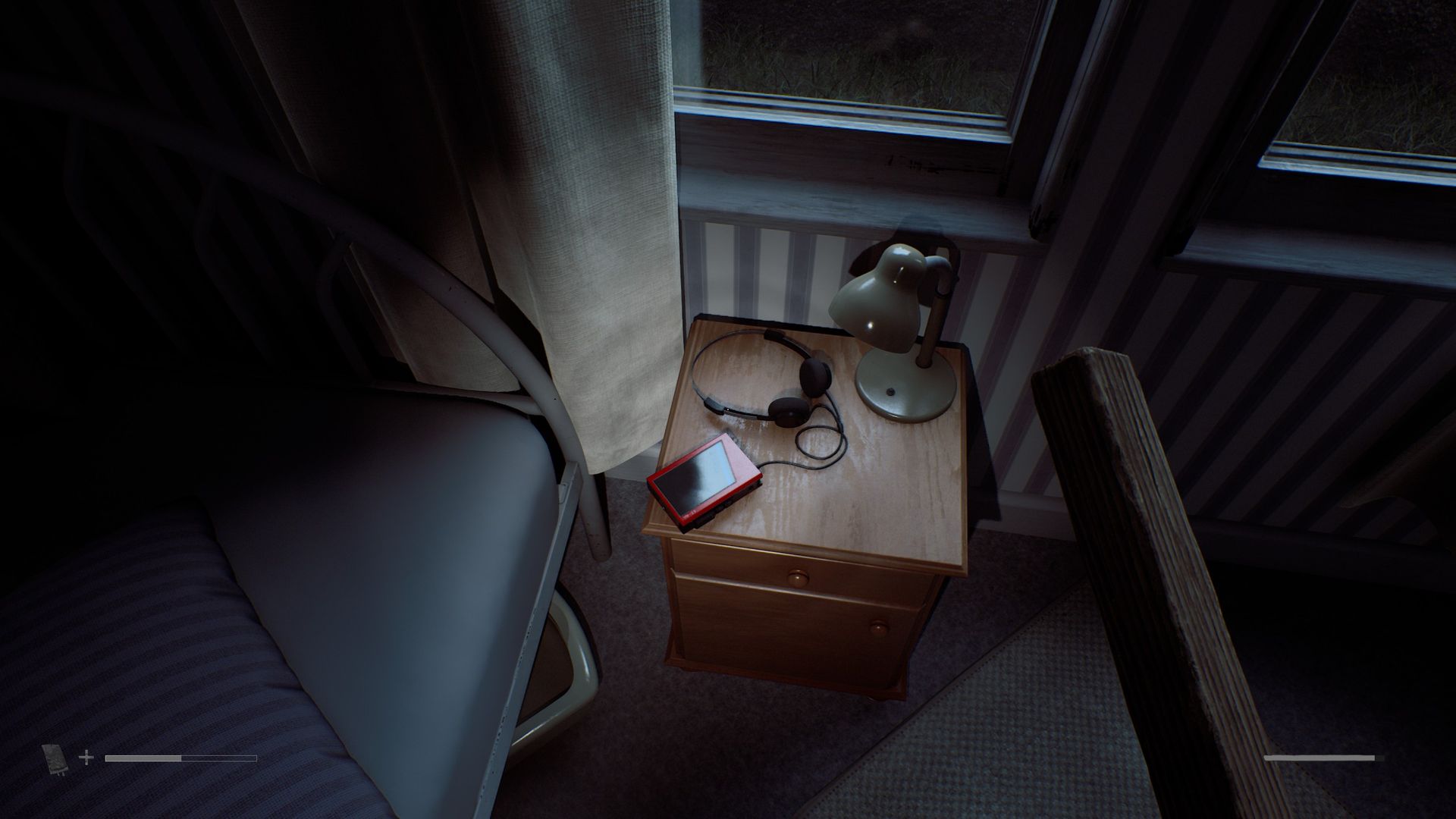
Because the town is based on real places, Screen Burn didn't need to do much concept art. But it did have to take a lot of photographs all over Scotland. "I'd drive around looking for fog, and take loads of concept photography because we didn't have to paint over it," McKellan says. "It exists. It's there. We can just draw direct reference. So we were driving around Scotland, taking a lot of photographs and building what the kind of visual identity of a town should be, but when it came to the layout, how it fits together, that was a much slower, more experimental process".
It exists. It's there.
Jon McKellan
One of the first things the team did, McKellan recalls, was figure out all the metrics—"how big should things be, especially in first-person"—which involved using LiDAR to scan entire streets.
"We'd walk around with our iPhones or with our SLRs," he says, "and take thousands of photographs, stitch them together, and build this 3D scanned version in Unreal that we could walk around, and that would give us 1:1 measurements for everything. So we could find out how wide the roads are, how deep the curb is, stuff that most people would never ever think about."
(Image credit: Screen Burn)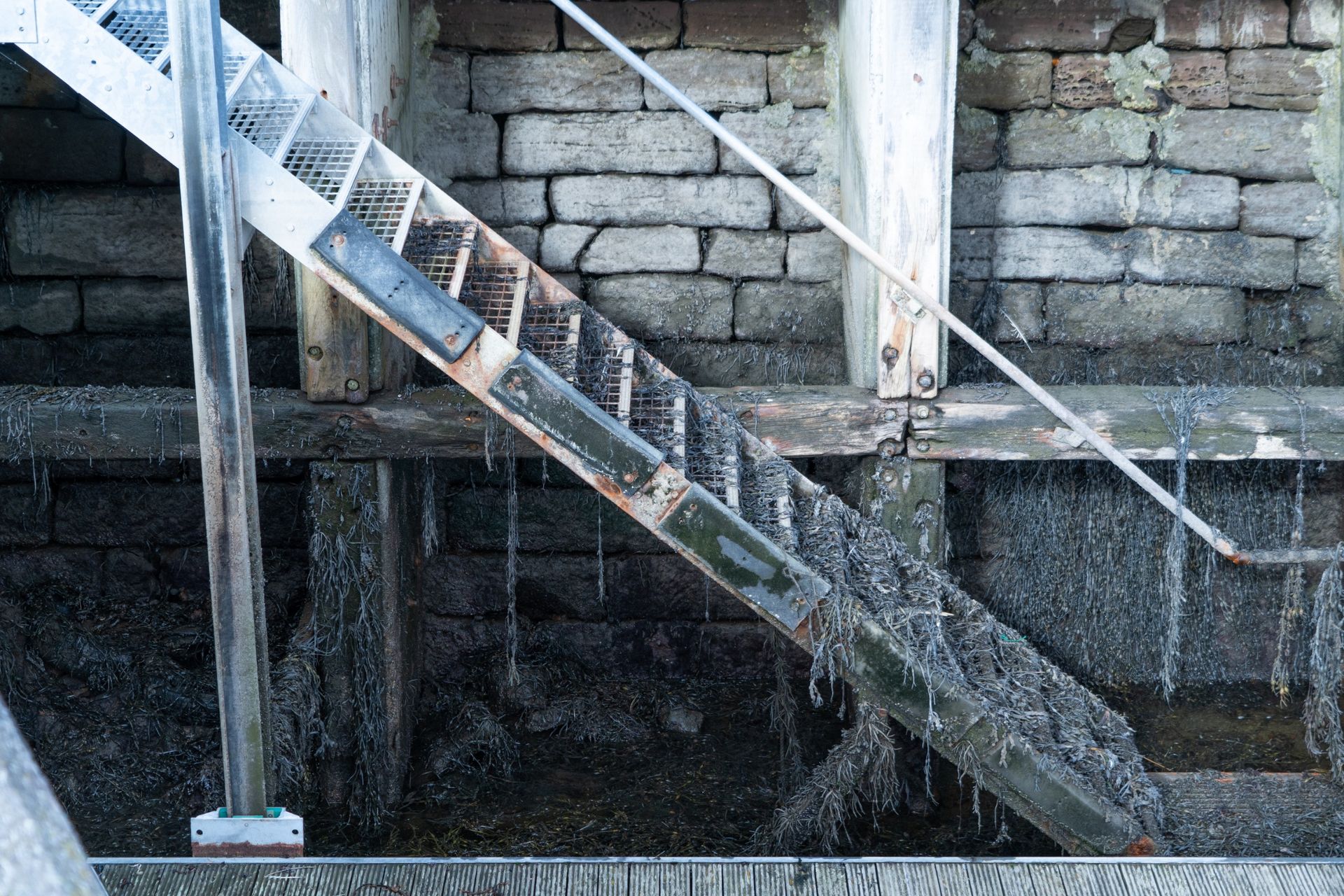
It's a lot simpler to create modern cities—which are often laid out in a grid. That's not how an old fishing village looks. "They all radiate out from the port. So the road patterns are never a grid; they're never simple. Everything's a curve on top of a curve, which is a nightmare to make in videogames. So we had lots of difficult decisions to make in terms of how authentic we'd stick to it, and we decided to go all-in, for better or worse, and make the layout of this town make as much sense as it should in pursuit of authenticity over game design."
McKellan remembers it being a "really long process" to make it feel like a real town while still working as a location for a survival horror game.
But the realism actually worked well with the demands of a survival horror game, he notes. The small streets, buildings squashed up against each other, there's a thin line between quaint and oppressive. "What it means is that we knew that even when you're outside in the fog, you're still going to feel a sense of claustrophobia, and you're still going to feel lost. These towns are really sweet and cute on a summer's day, but when you stick monsters and fog in there, it suddenly becomes a labyrinth, even when you're outdoors in the open."
(Image credit: Screen Burn)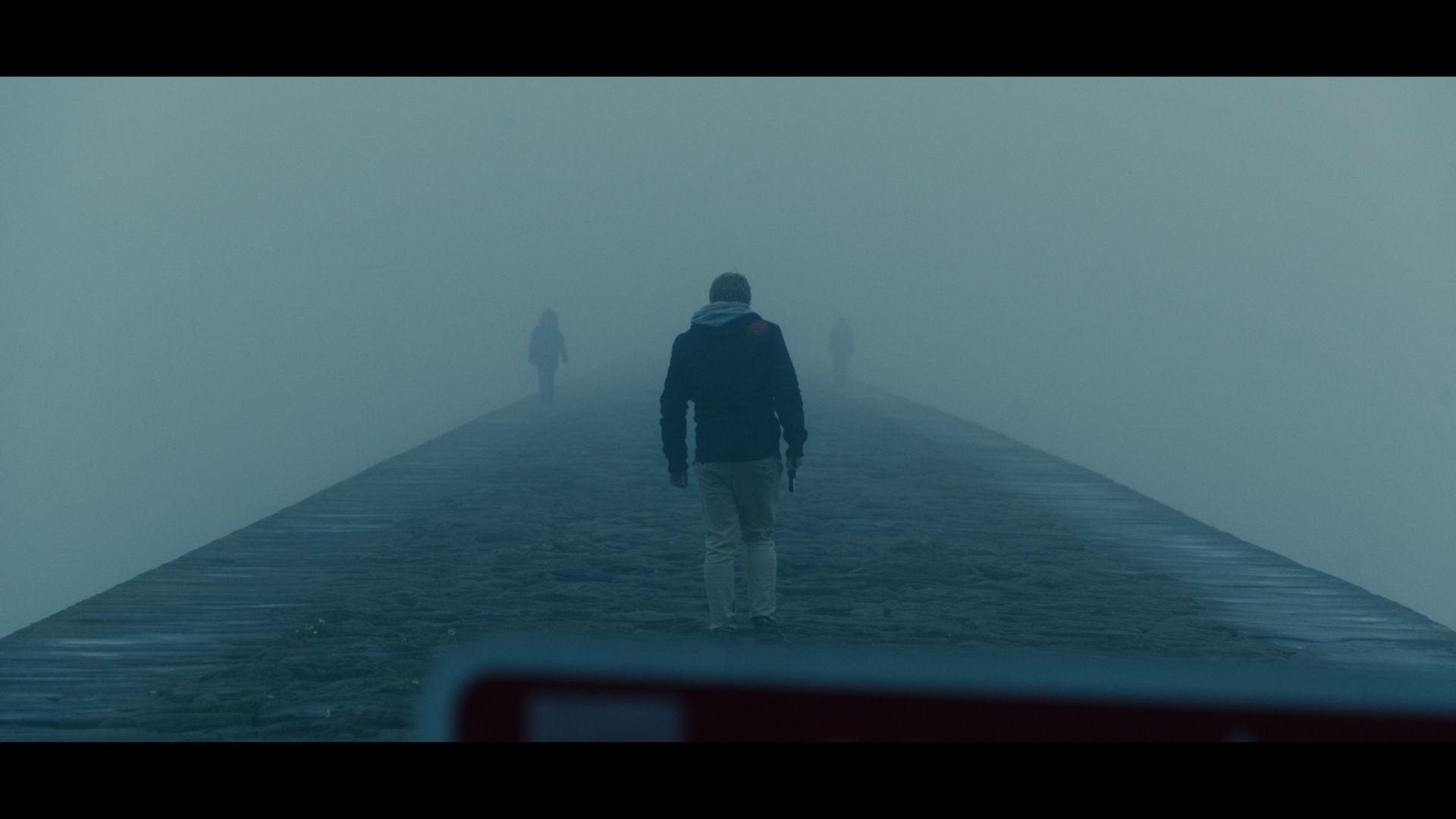
Despite the town often feeling claustrophobic, players were still given quite a lot of freedom of movement, and that can be a challenge when designing a horror game, where pacing is everything. So Screen Burn needed to identify where to limit that freedom, and how to nudge players in an appropriate direction.
When Simon first arrives in St. Amelia, players aren't able to run, because Screen Burn wanted to slowly unfurl the town and build up its thick atmosphere. And the game is filled with subtle cues and other bits and pieces that subtly guide the player without being too obtrusive. It might be through the use of colour—but no yellow paint—or the composition of a specific scene, or just the lighting. There's gating, too, like locked doors that require a bit of backtracking to open, but after which you're able to create a shortcut.
"Ultimately we try to respect the players' freedom to explore as they want," McKellan says, "and if they want to spend 15 minutes looking at every shop window on the way into town, they can, and it's just up to us to make sure that that doesn't completely fall apart if they do. So yeah, there's only so much you can do in exchange for that player freedom."
Prop hunt
(Image credit: Konami)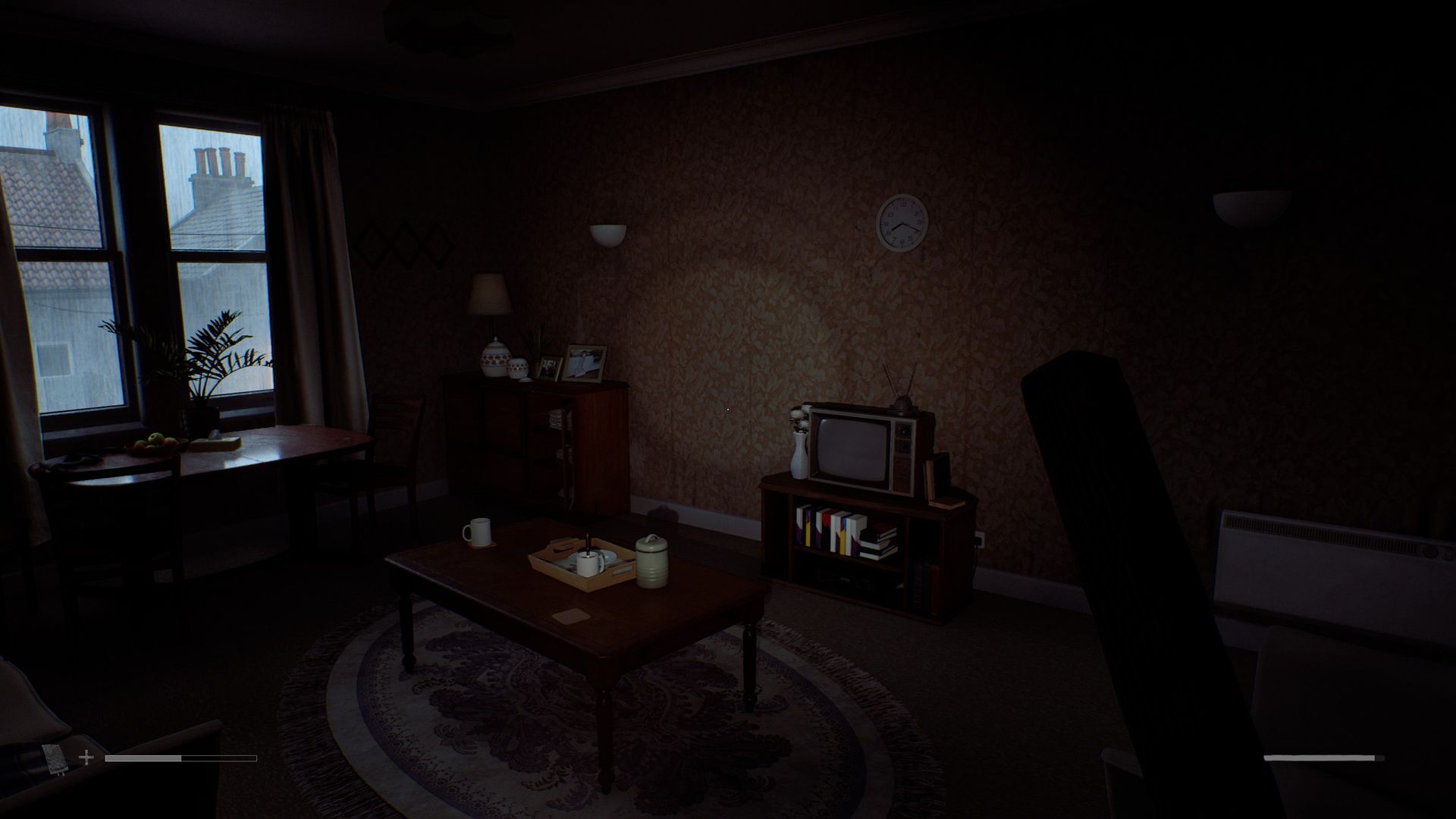
There are so many nostalgic flourishes that I couldn't help but slowly snoop around, admiring mundane props that brought St. Amelia to life, like the familiar guide dog charity box, or even just little notices in shop windows. In many cases these are real objects that were scanned or, in the case of notices and the protest placards you find in the town square, initially created by hand.
You've just got to remember what it was like and then recreate it.
Paul Abbott
Location visits naturally helped with this, and as McKellan told me at Gamescom, the team found scans of old '90s Argos catalogues that helped them create furniture and electronics that fit the era. But naturally there are limits to what can be found online.
"Memory is a big thing," says Abbot, "because you can't just go and search on the internet for '90s packaging design, because there's not a lot of it there. You've just got to remember what it was like and then recreate it. We put a lot of effort into the packaging and also understanding technology and what people were doing with it at the time. So in the family clinic, there's some Word art on the wall. You can't do that in Word now, but we remembered what it looked like, so we just recreated it because people were doing it. It was like, yeah, we can make our words 3D and wobbly now."
(Image credit: Konami)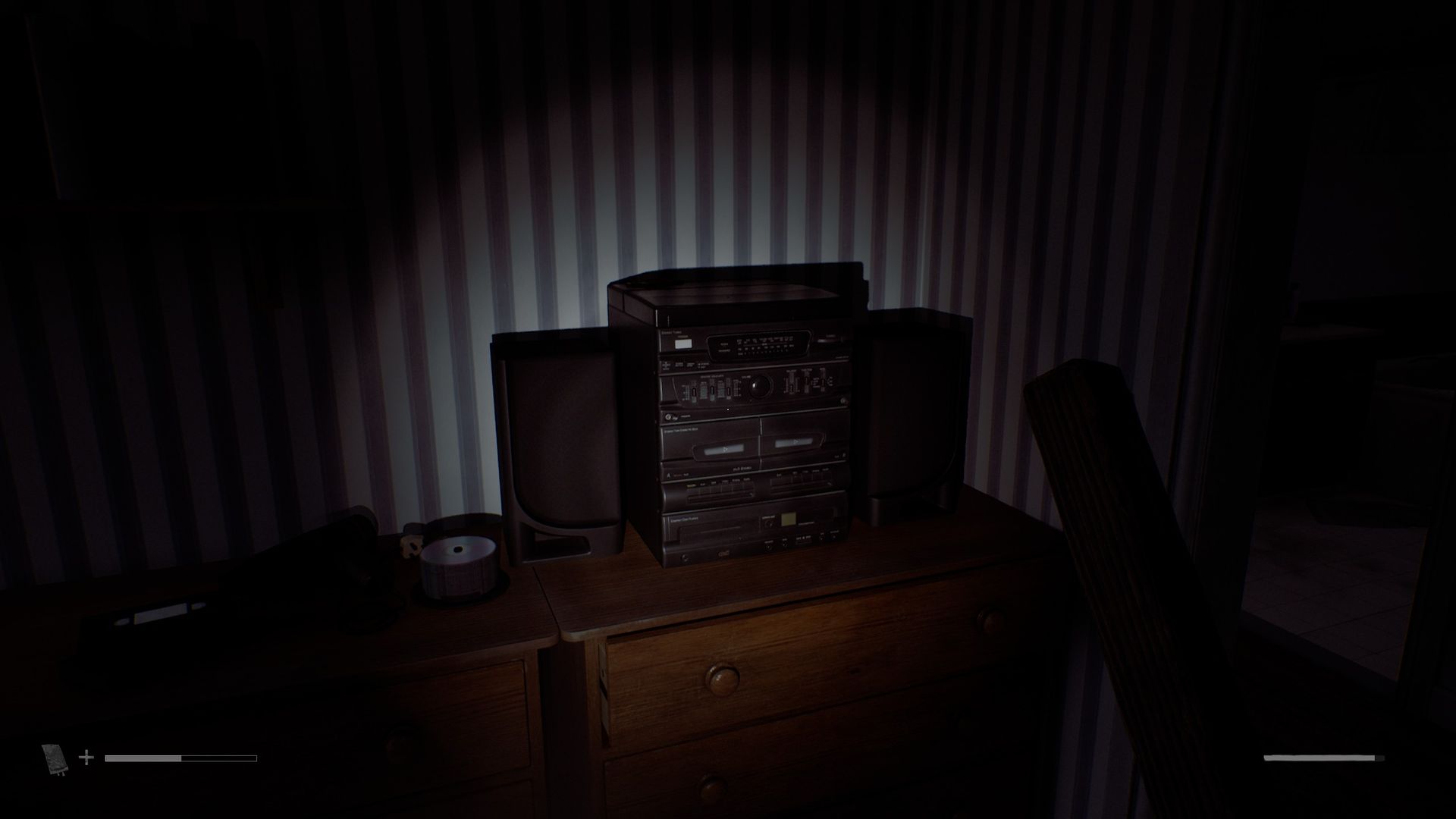
The problem with looking for '80s and '90s inspiration online is that so much of the aesthetic of that era has been infected by America and Hollywood. If you were around for the '80s in the UK, you almost certainly would not have been surrounded by neon and vaporwave.
"Especially in the UK, it's just grey," says McKellan. "Grey, wet, dull. Everything's navy. Very concrete. Once you get past the early 2000s, what you find on the internet is very much the stylised version of it, and the reference actually just stops existing. You've got to literally dig out photo albums from your granny's house and start searching through things that way."
All the photos and paintings that you'll find in St. Amelia are real, too. Screen Burn used old family photos to decorate the town's homes, created with analogue cameras, long before the rise of digital photography. Many of the paintings, meanwhile, were created by McKellan's wife's great grandad, Andrew Hall, who died in 1953 but is in the game's credits.
(Image credit: Konami)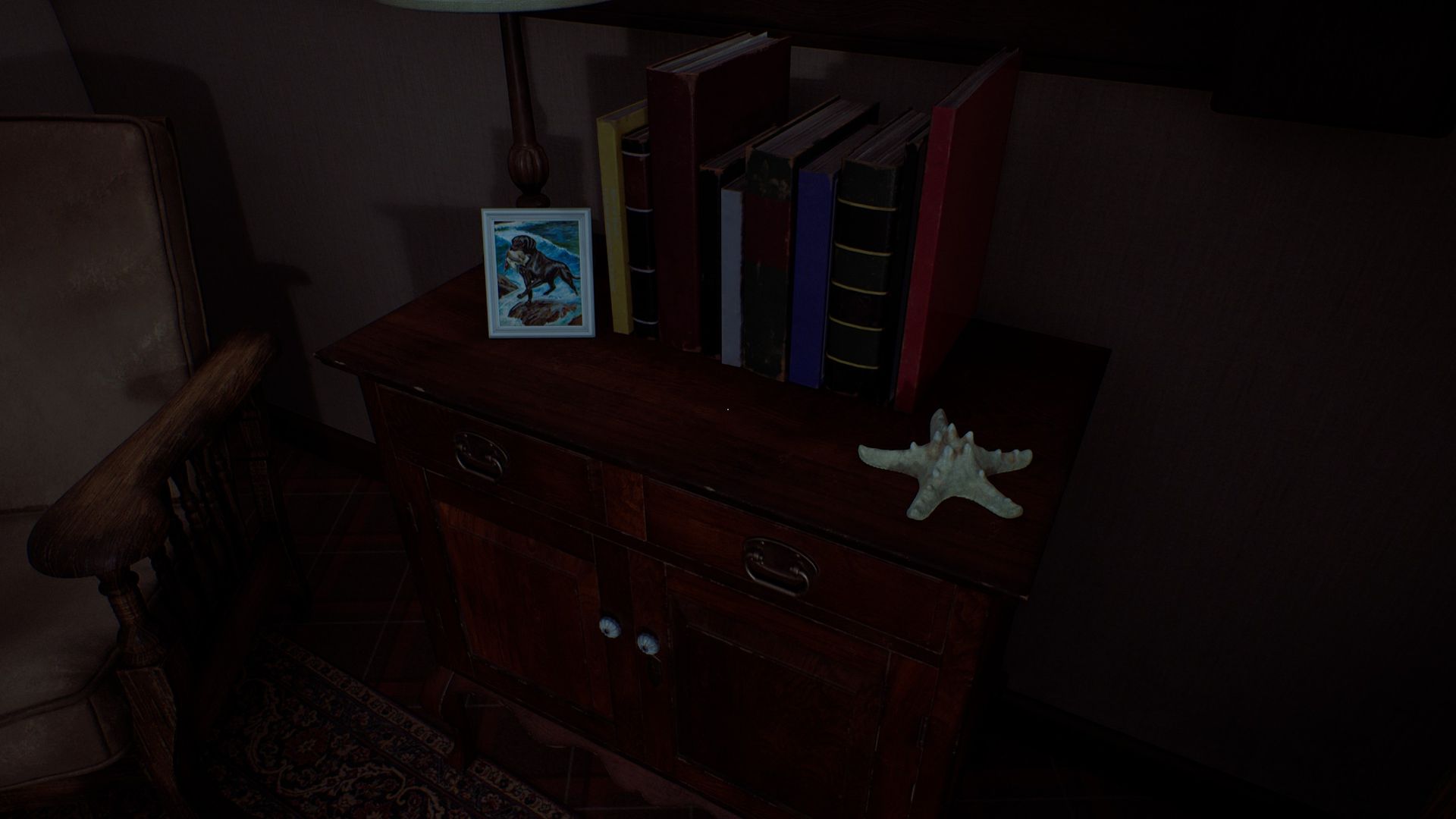
"He was born in the 1800s and was not a famous painter in any way," McKellan says. "He was just someone who did it as a hobby. And then a few years back, we found this collection of paintings that he'd done, and they were just perfect working class Glaswegian hobbyist paintings. And then they become a big part of the game, giving things that authentic feel. Instead of trying to paint a bunch of images that look like paintings from the era, we actually just found them and used them."
As Abbott says, "You just can't fake that stuff." And even before I knew their origin, I spent a lot of time in-game admiring them. Not because they are incredible works of art—though they are undeniably good—but because they all evoke such a strong sense of place and time. "His drawings and his paintings are beautiful because you can just see the way that they've evolved over time, and he does stuff in them where it's like, there's no way I could fake that."
McKellan's wife, Lee, is Screen Burn's art producer, and the team also got their kids involved, giving them paper and pens and telling them to go to town, resulting in all the kids' drawings that you'll encounter. Multiple generations of family members ended up contributing to the game, and together, all these little touches build up to create a place that doesn't simply feel real, it feels human.
Real monsters
(Image credit: Konami)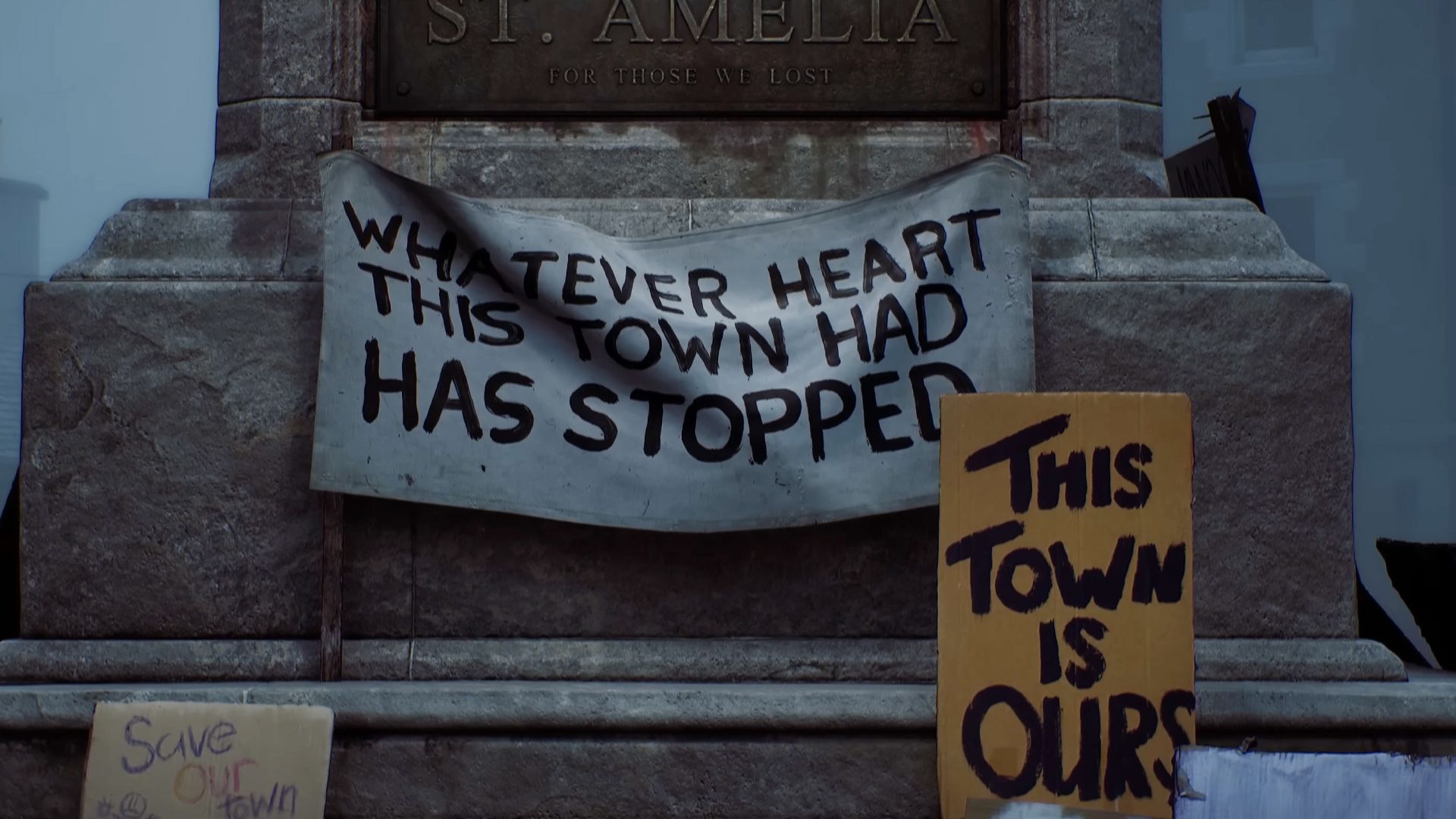
Naturally, this creates a disturbing juxtaposition when you are faced with something inhuman—not just the monsters, but corporations as well. The little houses, the post office, the local shop, they all share a space with ugly modern buildings funded by CEG, a corporation that looms over Townfall, and the reason you see all the protest signs at the start of the game. And unlike the monsters, this is all very true to life.
"Having things like CEG funding part of the health center is a very real thing," says McKellan. "When companies move in and take over a town, they will invest in local infrastructure because they have to. It's usually part of the condition of the deal. If you're going to build a giant warehouse in a rural town somewhere, it's going to give most of the people there in that town a job. Then you've probably got to invest in infrastructure and pay back to the community a little bit. All of those things help bring a believability to it and understand the sort of tension between all the different aspects of a small town and how fragile it can be."
Discovering this is also part of the journey, with Townfall's deliberate pace revealing more and more modernity as you move through the game—you start to really see the impact CEG had on St. Amelia, especially in places like Clara Woods, an austere residential area covered in concrete.
(Image credit: Konami)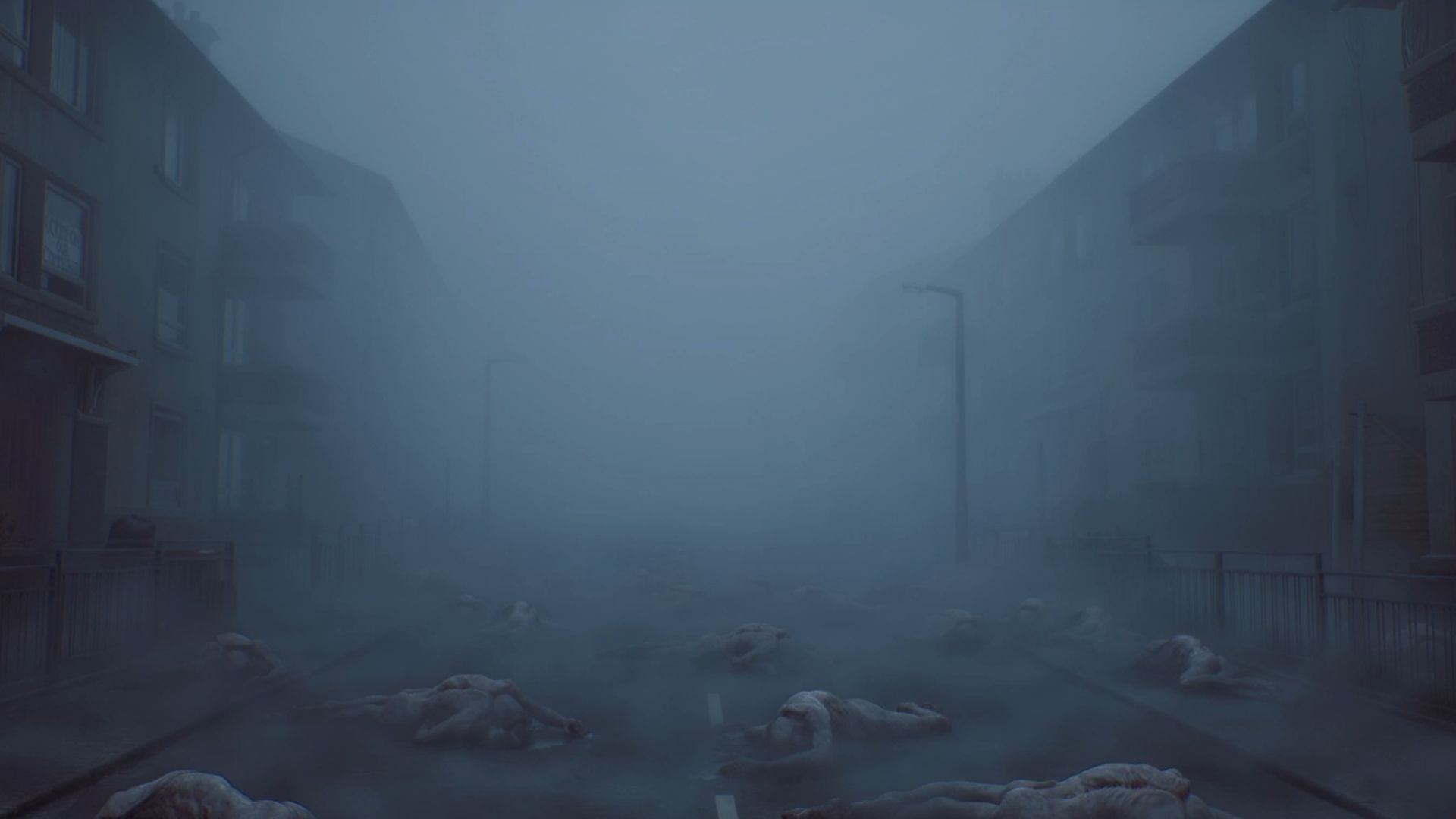
"I really wanted to illustrate the difference between a traditional fishing village town that can sustain itself with tourism," says McKellan, "and then what these big companies can and do to communities, and how it changes over time … so it really helps sell the contrast, sort of almost like a before and after, pre-CEG and post-CEG in a way."
But how do proper monsters fit into this very real town with very real problems? Thanks to Silent Hill's penchant for horrors born from trauma, it's actually a pretty natural fit.
"We tried to follow the same rules that Silent Hill's established over the years," says McKellan, "which is that these creatures are visual manifestations of the protagonists' inner demons, or some way connected to them, and they mean something to them, even if it's not explicit."
(Image credit: Konami)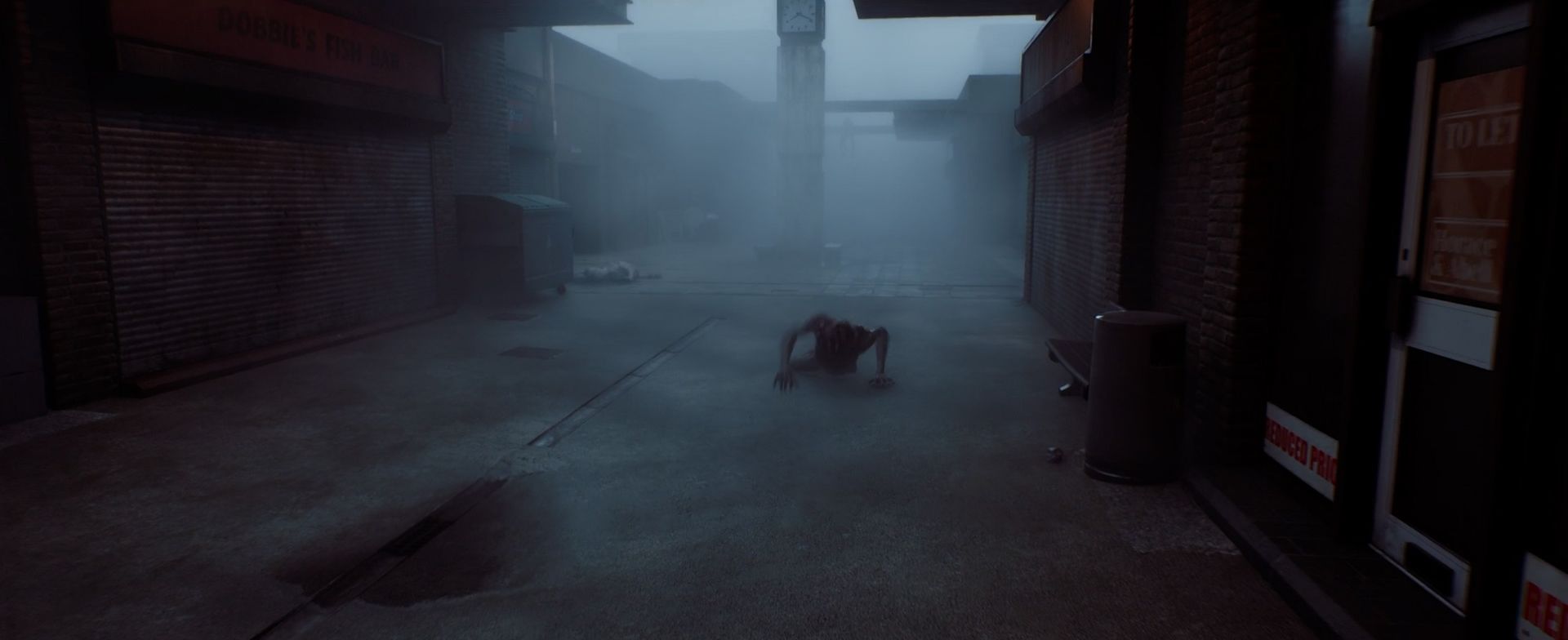
Screen Burn's take on these monsters is more grounded than usual, too—"more normal looking," as McKellan puts it. "The guy that Zoe sees, the Sorrowful, he looks like a normal guy, and he's in his pants, and he's got burns all over him. It's far less surreal than what people are maybe used to seeing. Though it is still very surreal: the guy opens his chest and needles come out. But on the face of it, at a glance, it's a guy in his pants standing in a hallway, and you're not quite sure what to make of that."
(Image credit: Konami)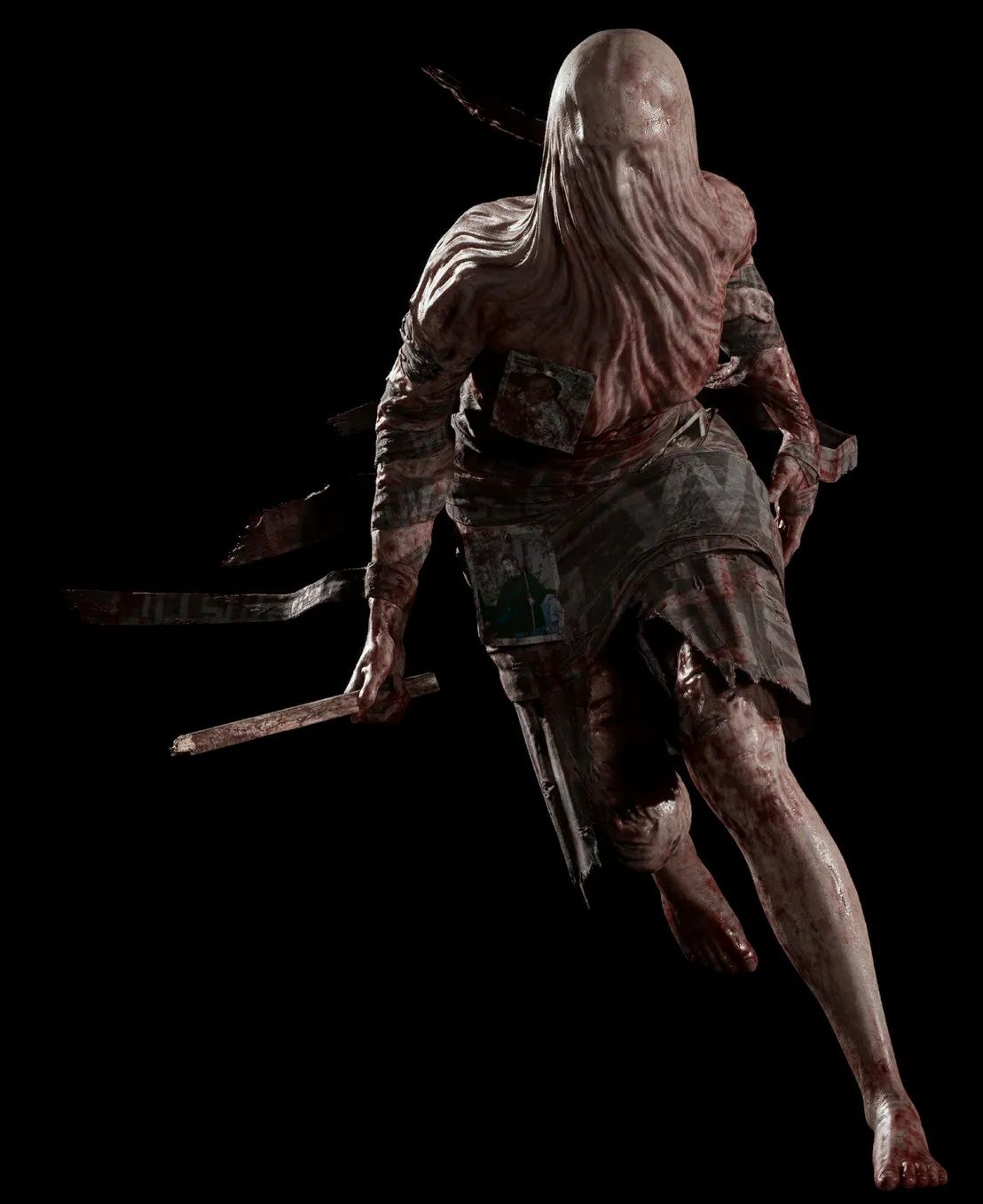
The team wanted to avoid filling St. Amelia with creatures that were immediately repellant—at least in terms of their silhouette. At a distance, they often just look like people. Because they are—they are representations of the residents of St. Amelia who have gone through something horrific, whether it's a great loss or medical mistreatment.
St. Amelia's Widows, which you'll face when you're playing as Richard, are another great example of this. Designed by Abbott, their silhouette suggests a woman wearing a veil—a woman in mourning. But then you get near them and see that the veil is, as Abbot says, "a slimy piece of flesh instead, and then you get the Silent Hill sort of revulsion when you look close". The Widows are also wrapped up in the protest signs that were used to call out CEG after the death of their husbands. They are terrifying and tragic in equal measure.
(Image credit: Konami)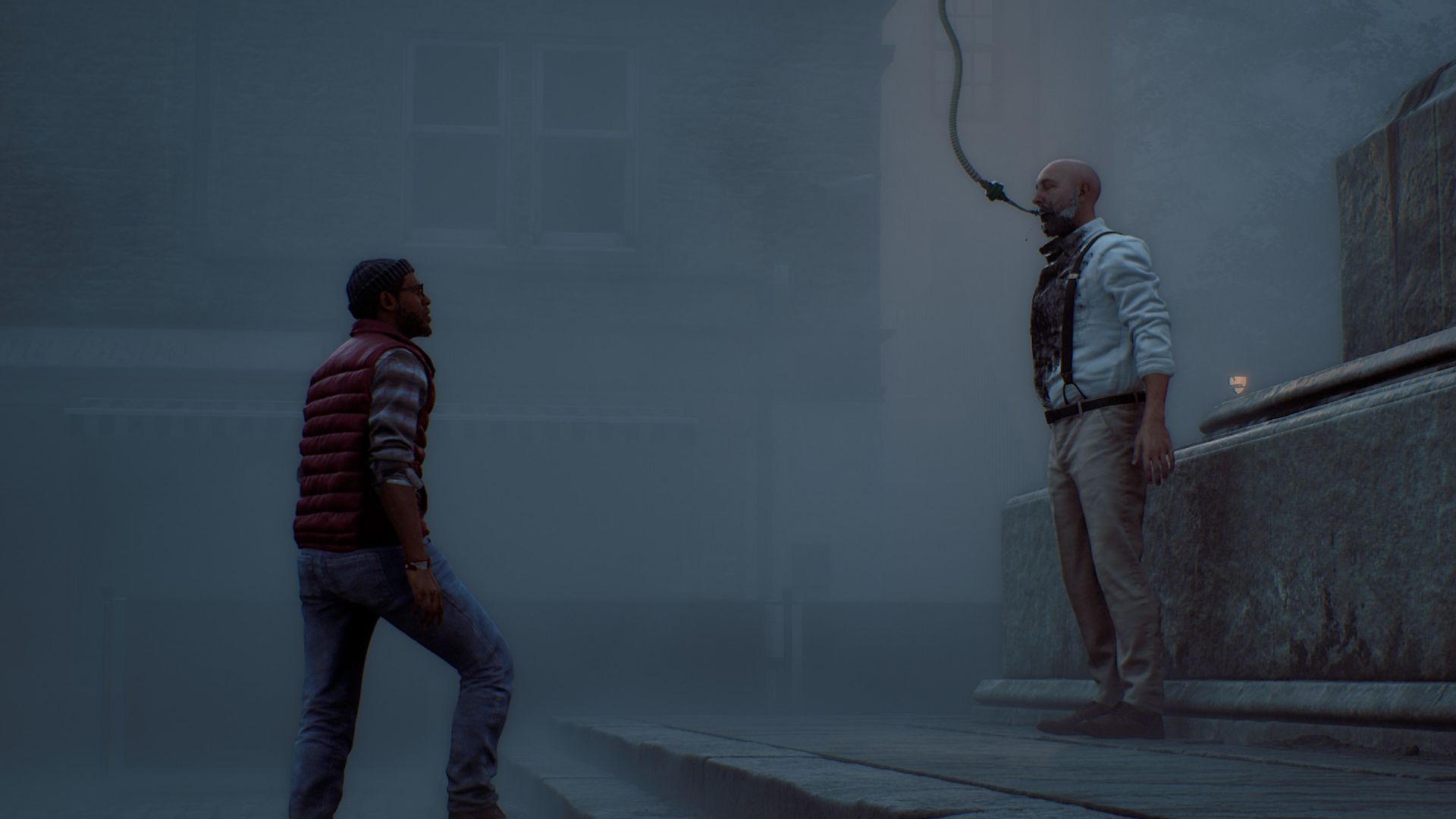
Townfall's monsters are twisted shadows of victims, and frankly I hated killing them. And that's the point. It's why the game encourages stealth, McKellan explains. "When you're playing as Richard, if you kill everyone or close to everyone, an achievement pops up which is called 'Missing the Point Entirely'. Because you're basically charging around and murdering all of these Widows with a shotgun instead of listening to them, instead of taking note of what they're trying to show you."
And there are layers of symbolism. When you see a burned man, you immediately think that represents someone who maybe dies in a fire, but why is he in his pants? Why are there only burns on one part of his body? "There's a lot of reasons for all that," says McKellan, "and people are slowly starting to pick away at the layers of it, and it's all very much intentional."
Hide and seek
(Image credit: Konami)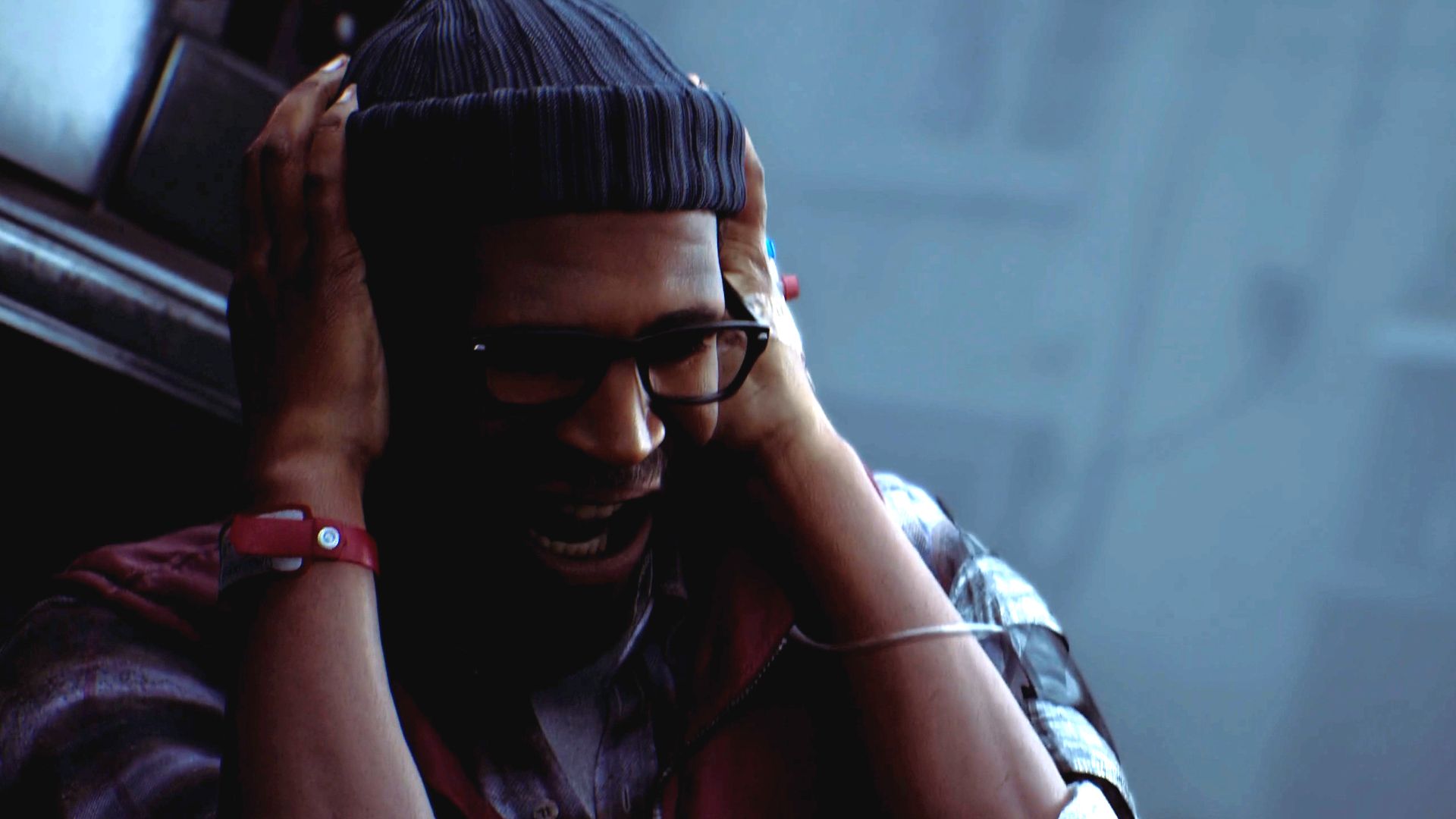
The monsters and stealth also informed parts of St. Amelia's design. Once Screen Burn realised that a specific part of the town was going to have some sort of combat or stealth scenario, it returned to the location to add additional touches. "What might be a front door of a building that's closed might turn into one of those storm door hiding spots, for example," McKellan says. "Or we might need to open the space up so that the players get somewhere to hide, and we'd take a building away and replace it with a garden adjacent to another one."
It was important to provide all of these opportunities for stealth in a way that didn't come across as "too obvious or so gamey," McKellan adds, so there was a back and forth between departments as the level design evolved. And that was a challenge. "Some things do become contrived. Like half-height cover, we'd have to think about what kind of objects would be things you could hide behind on a street, and it turns out that there's not a lot of them—there's not a lot of places to hide on an open street."
One of the solutions Screen Burn settled on was adverts stuck to railings—signs for tours and shops and so on. They're not incongruous and if you crouch you can hide behind them. But for all of them, Screen Burn found a precedent first, some kind of reference to base it on, and only then would it go into the game.
(Image credit: Konami)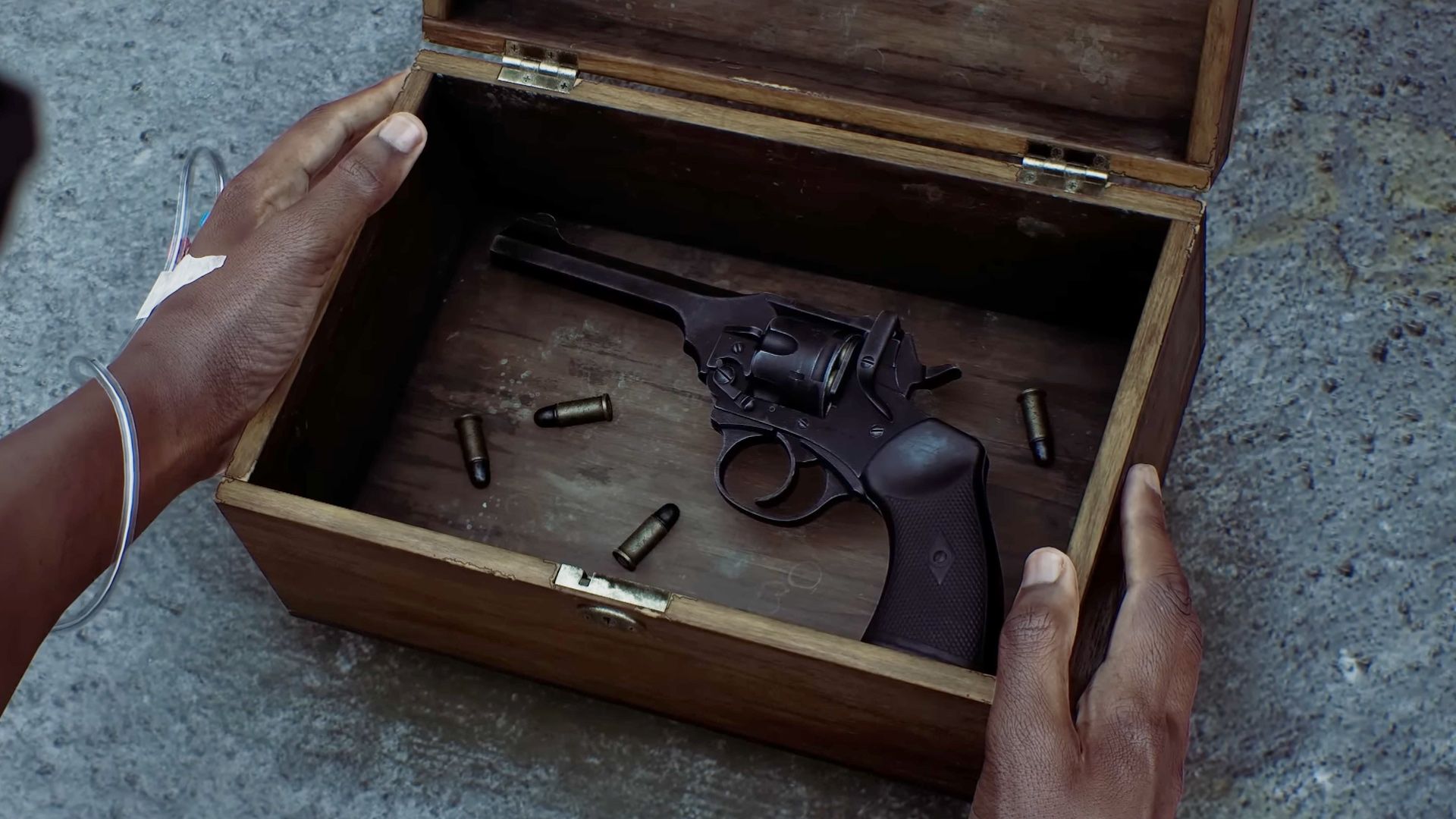
When stealth fails and the monsters are coming at you, that's when the guns come out. But that wasn't always the case. Firearms aren't a particularly British thing outside of shotgun-wielding farmers, and in 1997 two consecutive governments, one Conservative and one Labour, created tighter restrictions on firearms, which ultimately led to a ban on most types of handguns. This was prompted by a school shooting the year before, in Dunblane, Scotland. It never happened again. But Townfall occurs just before these events.
It just felt just too punishing.
Jon McKellan
"We're right on the edge in terms of 'historical accuracy,' as shotguns and pistols were still around in early 1996, although extremely rare," says McKellan. "For some time we had no firearms in the game and the flare gun was the only ranged weapon, but it felt too limiting to not have any option to 'take a piece off the chess board' from relative safety. It just felt just too punishing. Melee is effective but risky, it brings a different proposition to the player than ranged."
But even with St. Amelia needing to support melee brawls, shooting and stealth, it never starts to look like a combat arena. It's always just a town.
 Screen Burn
 Screen Burn
 Screen Burn
 Screen Burn
 Screen Burn
 Screen Burn
I'm still pretty stunned by how meticulous St. Amelia, and Townfall more broadly, feels while I'm playing. I'm a big scaredy cat, so I don't go out of my way to explore in most horror games (which is probably why I often end up out of ammo and resources, and very dead), but I couldn't help myself here.
The care and attention to detail demands to be seen and admired. But that also heightens the horror—seeing all these awful things happening in a town that could be my own. Not a space station. Not somewhere in the US or Japan, but so close to home I could take a bus there and be back in time to feed the dog.
Horror is best when it's personal. And St. Amelia really makes it feel so personal. For me, but even more so for Screen Burn and McKellan. So what's the scariest part of St. Amelia for the man who orchestrated its creation?
"It's Clara Woods," says McKellan. "Mainly because it definitely hits closest to home for me personally. My first apartment was essentially one of the flats you see on that first road into Clara Woods, with all the dead lying in the streets. While I've not seen that many people lying on the road, it was a very rough part of town to live and a rough time of life—I've genuinely felt like I was being hunted in those places for real, so if some of that horror comes through we've done our job correctly."
2026 games: All the upcoming games
Best PC games: Our all-time favorites
Free PC games: Freebie fest
Best FPS games: Finest gunplay
Best RPGs: Grand adventures
Best co-op games: Better together





 Bengali (Bangladesh) ·
 English (United States) ·