
 5 hours ago
2
5 hours ago
2 
The people behind the movies we know and love are masters of their craft, and while a lot of research goes into filmmaking, we can’t expect them to research every inch of the story. We as an audience can look past these ‘mistakes’ and enjoy movies for what they are: entertainment.
That doesn’t mean we don’t have fun pointing them out. No matter if you want to imagine the most scientific-accurate plot, or if you just like to laugh at unrealistic physics, these movies certainly got a few things wrong, and we love them in spite of it.

Avengers: Endgame
The film’s time travel rules contradict themselves and real physics, using one set of time travel rules for most of the plot, and a different one when it comes to Captain America.

Ant-Man
The logic of the Pym Particle allows objects to alter the distance between their atoms to grow larger or smaller, without altering the mass. That would make every giant object as light as a feather, and would make entering the Quantum Realm open a black hole.
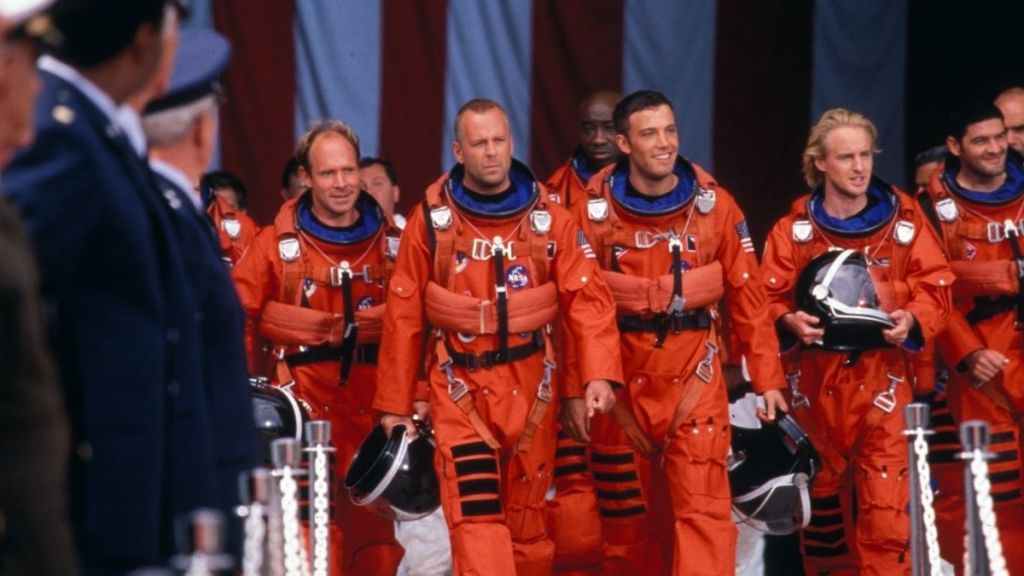
Armageddon
Mocked even by the actors themselves, the idea that training oil drillers to become astronauts being easier than the other way around is absurd. At the end of the day, it is an absurd movie.

Lucy
Built entirely on the myth that humans use only 10% of their brain, a concept widely debunked but still central to the film’s appeal.

2012
Takes extreme liberties with geology and climate science, not to mention the speed on which disasters can happen.

Moonfall
Its physics-defying premise about the Moon’s structure is such clear nonsense, that audiences come back to the movie with the mantra “so bad it’s good.”
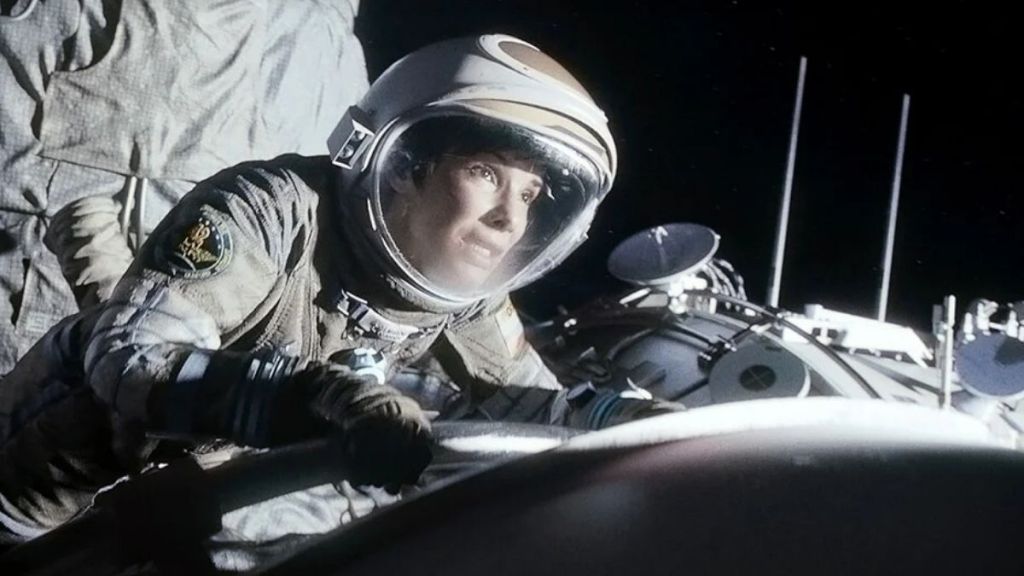
Gravity
Praised for realism, yet still compresses orbital mechanics and distances in ways that wouldn’t work in reality, something experts and fans both note.
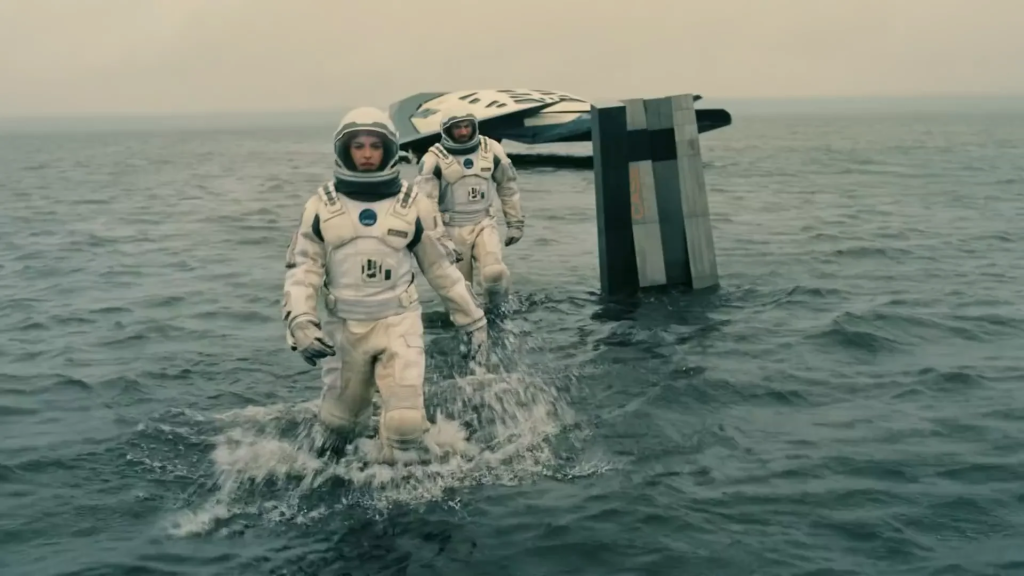
Interstellar
Grounded in real theory, but its final act ventures into speculative science that stretches plausibility, blending physics with emotional storytelling. Great final act, just not that scientifically grounded.
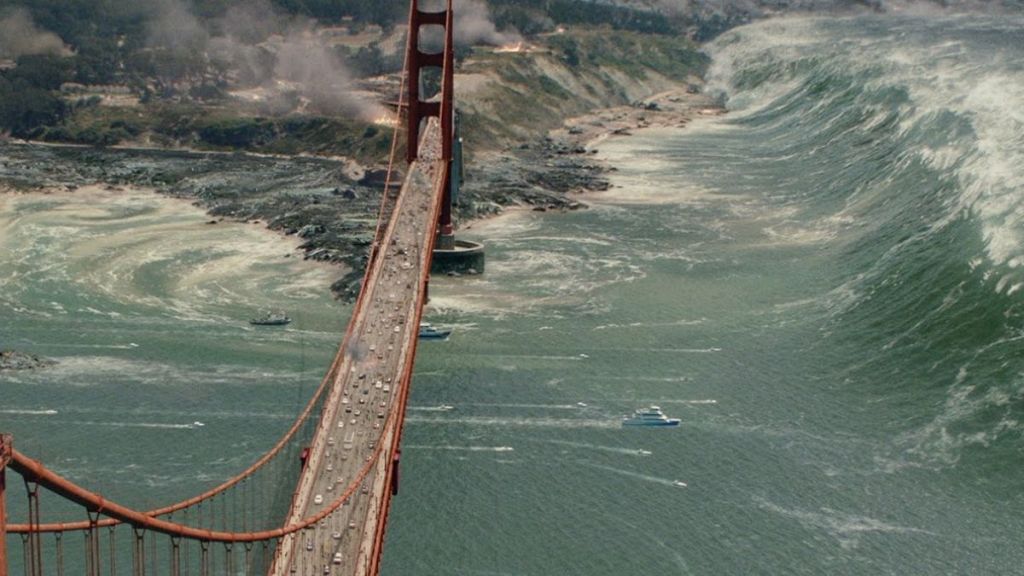
San Andreas
An earthquake in San Andreas generates a tsunami in… San Andreas. While this makes for some interesting visuals, it doesn’t make sense if you know how tectonic plates work.

Jurassic Park
A surprise to some, but dinosaurs can’t be harvested from the blood of ancient mosquitoes. But hey, life finds a way.
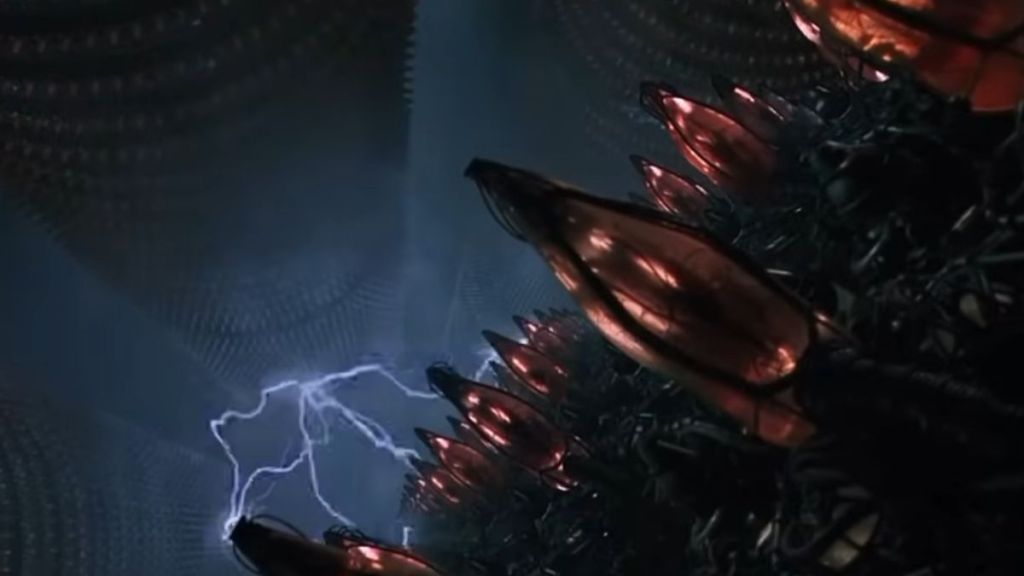
The Matrix
While the premise of the film is iconic, the idea of humans as batteries is scientifically inefficient. The machines have no real use for humanity in the end.

Star Wars
Sound in space, explosive physics, and hyperspace all ignore real science, yet the franchise thrives on its mythic storytelling.

Inception
Dream-sharing technology has no scientific basis, but its internal logic and presentation make it believable within the film’s world.

Tenet
Time inversion introduces complex physics concepts that don’t align with reality, yet audiences engage with it as a conceptual puzzle.

I Am Legend
The virus’s behavior and mutation stretch biological plausibility, yet the emotional core of the story carries the film. Of course, the book has the real emotional payoff.
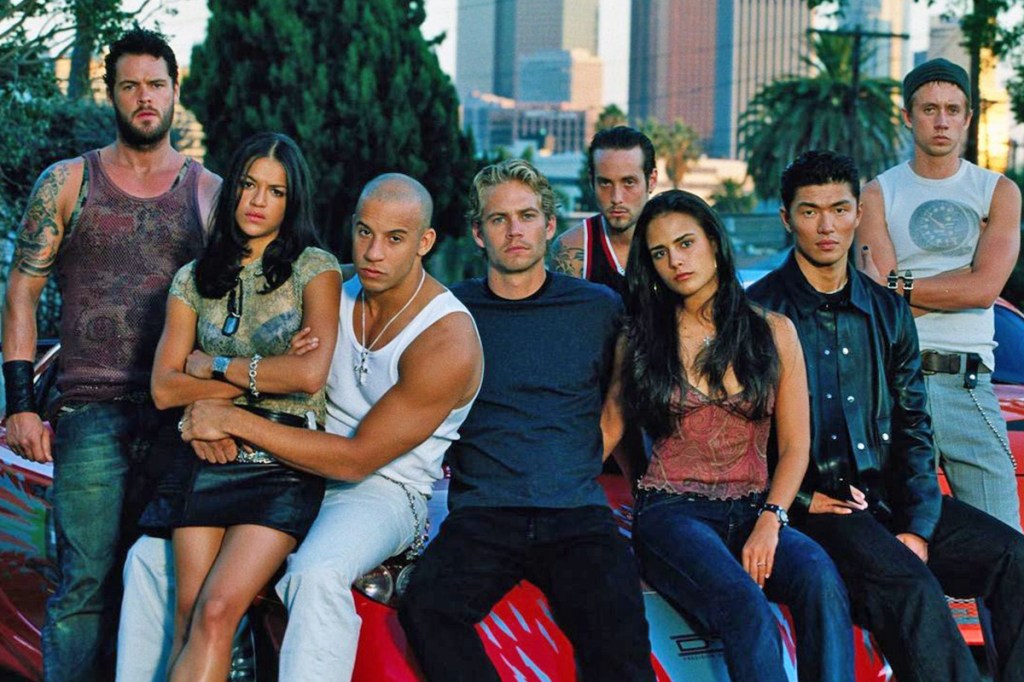
The Fast and the Furious
Physics-defying stunts ignore basic mechanics, but the franchise embraces this exaggeration as part of its identity. They even ask how come they can get away with this at different points in the franchise.
The post 16 Movies That Got the Science Wrong, But We Didn’t Care appeared first on Den of Geek.





 Bengali (Bangladesh) ·
  English (United States) ·